
Breakfast & Brunch
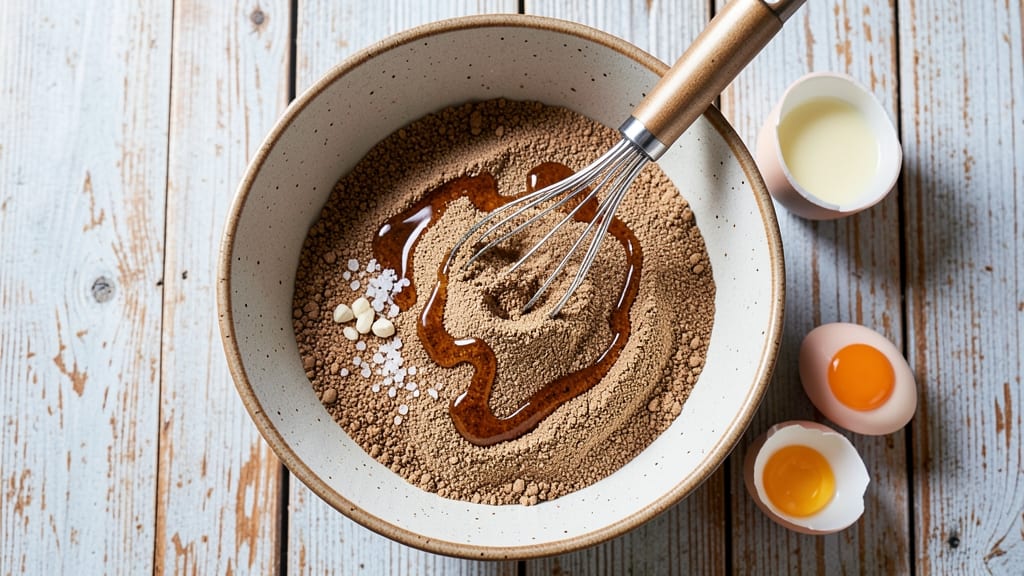
This arrowhead buckwheat pancake mix recipe transforms simple ingredients into hearty, nutty stacks that pack protein and fiber without refined flour. The secret lies in Arrowhead Mills' whole-grain blend—naturally gluten-free and packed with earthy buckwheat flavor that elevates every bite.
What sets these pancakes apart is their ability to deliver restaurant-quality texture with just five pantry staples and 15 minutes of active time.
The magic happens when you blend buckwheat flour with baking powder and a pinch of salt, creating a batter that's thick enough to hold its shape yet light enough to flip effortlessly.
Unlike traditional pancakes, these develop a subtle nutty depth from the buckwheat that pairs perfectly with maple syrup or fresh berries. The recipe's beauty is in its versatility—make a double batch for meal prep or serve immediately with your favorite toppings.
What you'll end up with is a towering stack of golden-brown pancakes with crisp edges and a tender interior, each bite delivering that distinctive buckwheat flavor. The pancakes stay warm for hours, making them ideal for brunch crowds or lazy weekend mornings.
This isn't just breakfast—it's a whole-grain upgrade that satisfies without compromise.
Perfect for those seeking gluten-free options or simply looking to add more whole grains to their diet, these pancakes prove nutritious eating doesn't mean sacrificing flavor. Let's get cooking with this foolproof mix that delivers restaurant-quality results at home.
Ingredients for arrowhead buckwheat pancake mix
Five pantry staples and Arrowhead Mills' whole-grain blend create restaurant-quality buckwheat pancakes.
| Ingredient | Amount | Notes |
|---|---|---|
| Arrowhead Mills Buckwheat Flour 🌾 | 1 ½ cups | Naturally gluten-free, earthy flavor |
| Baking Powder 🧂 | 2 tsp | Aluminum-free preferred |
| Fine Sea Salt 🧂 | ½ tsp | Diamond Crystal preferred |
| Pure Maple Syrup 🍯 | ½ cup | Grade A for sweetness |
| Unsweetened Almond Milk 🥛 | 1 ½ cups | Vanilla or plain |
| Large Eggs 🥚 | 2 whole | Room temperature preferred |
| Extra-Virgin Olive Oil 🫒 | 1 tbsp | For crisp edges |
| Fresh Blueberries 🫐 | ½ cup | Optional, for topping |
| Pure Vanilla Extract 🌿 | 1 tsp | Imitation-free preferred |
Arrowhead Mills buckwheat flour is the star here—grab the whole-grain blend at natural food stores or online. The flour's nutty depth comes through in every bite, and it's naturally gluten-free. Costco often carries it in bulk, but Whole Foods or Sprouts will have it too. If you can't find Arrowhead, Bob's Red Mill buckwheat flour works in a pinch. The baking powder needs to be fresh—if it smells musty or looks clumpy, toss it. For the maple syrup, Grade A is ideal—it's lighter and sweeter, perfect for balancing the buckwheat's earthiness.
No buckwheat flour? Substitute with 1 cup whole-grain spelt flour—it's the closest texture match. Out of almond milk? Oat milk or coconut milk both work, though the flavor will shift slightly. Eggs can be swapped for 2 tbsp ground flaxseed mixed with 6 tbsp water (let sit 5 minutes) if you're avoiding them. The olive oil adds crisp edges—avocado oil is a great alternative if you prefer a neutral flavor. For the blueberries, frozen work just as well as fresh (no need to thaw), and they'll release juices as the pancakes cook, creating pockets of sweetness.
This mix keeps for 2 weeks in an airtight container at room temperature, but the batter itself should be used within 3 days for best texture. Double the recipe and freeze portions—just thaw overnight in the fridge before cooking. The pancakes reheat beautifully in a toaster or oven at 350°F for 5-7 minutes. Store cooked pancakes stacked with parchment between each layer to prevent sticking. These aren't just pancakes—they're a whole-grain powerhouse that stays satisfying for hours.
Why You'll Love This Recipe
- No-Fuss Mix-In: I keep a jar of this blend ready—just add almond milk, stir, and cook. No sifting, no measuring cups cluttering my counter. The buckwheat flour does all the heavy lifting while I sip coffee.
- Earthy Sweet Crunch: That first bite? Warm, slightly nutty from the buckwheat, with a subtle caramel kick from the maple syrup. It’s the kind of flavor that makes you pause mid-chew—like a pancake had a quiet moment of sophistication.
- Breakfast Reinvented: Weekday mornings? Toss a batch in the fridge for grab-and-go stacks. Brunch guests? They’ll assume you slaved—no one needs to know it’s just flour, baking powder, and a splash of almond milk. (Between us, they’ll ask for the recipe.)
- Penny-Smart Pantry Staple: Arrowhead buckwheat flour lasts forever, and almond milk stretches further than you’d think. I’ve made 12 pancakes from this mix for under $1.50—plus, the leftovers reheat like they’re fresh off the griddle. Budget breakfast, every time.
Step-by-step instructions for Arrowhead buckwheat pancake mix
Here's how to make fluffy, nutty buckwheat pancakes that pack whole-grain goodness without compromising texture.
Whisk Dry Ingredients Until Smooth
In a large mixing bowl, combine the 1.5 cups Arrowhead Mills Buckwheat Flour, 2 teaspoons Baking Powder, and ½ teaspoon Fine Sea Salt. Use a whisk to break up any flour lumps and create a fine, aerated base. The buckwheat flour has a naturally earthy flavor, so don't be surprised if the mixture looks slightly darker than white flour blends.
I like to sift the dry ingredients through a fine-mesh sieve into the bowl for even distribution. This step ensures your pancakes will rise properly and have a consistent texture. Set the bowl aside while you prepare the wet ingredients—this prevents overmixing when you combine everything.
Blend Wet Ingredients for Maximum Fluffiness
In a separate medium bowl, whisk together the 1.5 cups Unsweetened Almond Milk, 2 whole Large Eggs, 1 tablespoon Extra-Virgin Olive Oil, ½ cup Pure Maple Syrup, and 1 teaspoon Pure Vanilla Extract. The olive oil adds richness and helps create crisp edges, while the maple syrup provides natural sweetness without refined sugar.
Let the eggs come to room temperature first if they're cold—this prevents the batter from becoming too thick. Whisk vigorously for about 30 seconds until the mixture is completely smooth and homogenous. You'll notice the batter becomes slightly frothy, which is perfect for light, airy pancakes.
Combine Wet and Dry Ingredients Gently
Pour the wet ingredients into the dry ingredients bowl and stir just until combined—you should still see small flour streaks. Overmixing develops gluten in the buckwheat flour, which can make your pancakes tough instead of tender. I use a rubber spatula to gently fold the batter, lifting from the bottom and folding over the top for about 10-12 strokes total.
Let the batter rest for 5 minutes at room temperature. This allows the flour to fully hydrate and the baking powder to activate, ensuring maximum rise. If you're using the optional ½ cup Fresh Blueberries, fold them in gently during the last few strokes to prevent crushing.
Cook Pancakes on Medium Heat
Heat a non-stick skillet or griddle over medium heat until a drop of water sizzles and evaporates instantly. Pour ¼ cup batter for each pancake, spreading it slightly to form a 4-inch diameter circle. The buckwheat batter is thicker than traditional pancake batter, so don't worry if it looks like too much—it will spread as it cooks.
Cook until bubbles form on the surface and the edges look set, about 2-3 minutes. Flip carefully using a thin spatula and cook the other side for another 1-2 minutes, until golden brown. The olive oil helps create those beautiful crisp edges while keeping the interior soft and fluffy.
Serve Warm with Fresh Toppings
Transfer pancakes to a wire rack or clean towel to prevent sogginess. Serve immediately while they're warm and stacked high. The buckwheat adds a subtle nutty flavor that pairs perfectly with the natural sweetness of the maple syrup. For extra richness, drizzle with additional maple syrup or top with fresh berries.
These pancakes are best enjoyed fresh—each bite delivers that perfect balance of hearty buckwheat texture and delicate sweetness. The olive oil gives them a satisfying crispness at the edges while keeping the center tender. Store any leftovers in an airtight container in the refrigerator for up to 3 days, reheating in a toaster or skillet until warmed through.
Pro Tips For Making Arrowhead Buckwheat Pancake Mix
- WHISK THE DRY FIRST: Buckwheat flour is a beast when wet—it clumps like glue if you rush it. Toss the Arrowhead flour, baking powder, and salt together in the bowl before adding liquid, then whisk like you’re trying to win a prize. This keeps everything smooth, and you’ll avoid that dreaded pancake batter that looks like oatmeal batter.
- USE COLD ALMOND MILK: I used to pour warm almond milk straight from the fridge into the mix, thinking it didn’t matter. Wrong. Cold milk makes the pancakes fluffier—it reacts better with the baking powder and keeps the texture light. Pour it in, then let the batter sit for 5 minutes before cooking. (Yes, even if you’re impatient like me.)
- MEDIUM-LOW HEAT ONLY: Buckwheat burns faster than your ex’s patience. Start with medium heat, then drop it to medium-low once the first pancake hits the pan. You want bubbles forming gently around the edges, not a charred mess that tastes like a campfire. A nonstick skillet helps, but don’t skimp on the oil—just enough to coat the bottom.
- SYRUP IN LAYERS: Drizzle half the maple syrup into the batter, then fold it in. Save the rest for after cooking—this keeps the pancakes from getting soggy while adding that perfect sweetness. If you’re feeling fancy, warm the syrup slightly before drizzling; it’ll caramelize just enough to make everything taste like a Vermont breakfast.
Common mistakes when making great arrowhead buckwheat pancake mix
Overmixing the Batter
Buckwheat flour develops gluten just like wheat flour, so stir the batter only until combined—about 10-12 strokes with a spatula. I've seen beginners mix for 30 seconds or more, which creates tough, dense pancakes.
The goal is to combine without activating gluten. Let the baking powder do its work by resting the batter for 5 minutes before cooking. 🔥
Skipping the Rest
Never rush to cook the batter immediately after mixing. The 5-minute rest allows the buckwheat flour to fully hydrate and the baking powder to activate completely.
I once made pancakes without resting and ended up with flat, rubbery results. Patience here makes all the difference in achieving that perfect fluffy texture.
Using Cold Ingredients
Cold eggs or milk can make your batter thick and lumpy. Let your eggs sit at room temperature for 30 minutes before using, and use warm (not hot) almond milk. Cold ingredients slow down the baking process and prevent proper leavening.
I keep my eggs in the fridge until just before mixing, then let them warm on the counter while I prep everything else.
Incorrect Heat Level
Medium heat is crucial for buckwheat pancakes. Too low and they'll steam instead of brown, while too high burns the outside before the inside cooks. Test your pan by sprinkling water—it should sizzle and evaporate instantly.
I've had pancakes stick or burn when using high heat, so always maintain that medium heat setting throughout cooking.
Overcrowding the Pan
Pouring too much batter at once lowers the pan's temperature and makes pancakes steam instead of crisp. Use ¼ cup batter per pancake and space them 2 inches apart on the griddle.
I've seen home cooks pour ½ cup portions, resulting in thick, uneven pancakes that don't cook through properly. Give each pancake room to develop that perfect golden crust.
Neglecting the Olive Oil
The 1 tablespoon olive oil isn't optional—it creates those coveted crisp edges while keeping the interior tender. I've made buckwheat pancakes without it, and they turned out dense and greasy.
The oil also helps prevent sticking on non-stick pans. For best results, use extra-virgin olive oil—it has a lower smoke point that works perfectly for medium heat cooking.
Nutrition facts
Frequently asked questions
Can I make this buckwheat pancake mix gluten-free?
Arrowhead Mills buckwheat flour is naturally gluten-free, so this recipe is already safe for those avoiding gluten. The nutty flavor and hearty texture remain unchanged, making these pancakes perfect for gluten-sensitive diets. Just ensure all other ingredients (like baking powder) are certified gluten-free.
Why do my buckwheat pancakes turn out dense?
Overmixing is the most common culprit—buckwheat develops gluten just like wheat flour. Stir only until combined (10-12 strokes) and let the batter rest for 5 minutes before cooking. Cold ingredients or skipping the rest time can also create dense pancakes. The olive oil helps maintain fluffiness, so never omit it!
How can I store leftover buckwheat pancake mix?
Store the dry mix in an airtight container at room temperature for up to 2 weeks. For the batter, use it within 3 days for best texture. Cooked pancakes reheat beautifully in a toaster or at 350°F for 5-7 minutes. Stack with parchment between layers to prevent sticking—these pancakes stay fresh for days!
What's the best way to adjust sweetness for kids?
Add 1-2 tablespoons extra maple syrup to the batter or serve with additional syrup on top. For a lighter touch, fold in ½ cup mashed banana or ¼ cup applesauce when mixing. The buckwheat's earthy flavor balances well with fruit sweetness, making it kid-friendly while keeping the whole-grain benefits!
Can I use this mix for savory pancakes?
Yes! Replace the maple syrup with 1 cup vegetable broth and add ¼ cup grated Parmesan, 1 tsp garlic powder, and 2 tbsp chopped chives. Cook with a little more olive oil for crisp edges. These savory buckwheat pancakes pair perfectly with fried eggs or avocado—great for brunch!