
Desserts
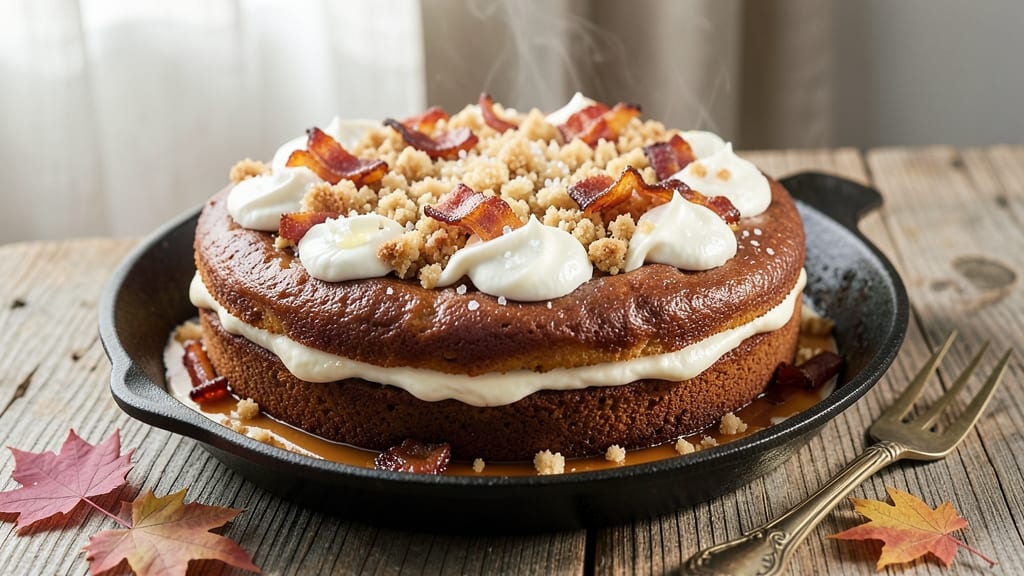
This bacon cake recipe delivers the perfect marriage of smoky, salty bacon and rich, moist cake—with crispy edges that make every bite unforgettable. The secret lies in crisping the bacon until perfectly golden and folding it into the batter, creating pockets of savory goodness throughout.
I developed this recipe after years of experimenting with unconventional cake flavors, and it’s now a crowd favorite at every gathering.
The cake itself is tender and moist, thanks to buttermilk and sour cream, while the bacon adds a surprising depth that balances the sweetness. You’ll need just 5 ingredients for the batter plus high-quality bacon, and the entire process takes about 45 minutes—including baking time.
The result? A dessert that’s as impressive as it is delicious, with a texture that’s crisp on the outside and velvety inside.
What makes this recipe truly special is how the bacon transforms an ordinary cake into something extraordinary. The crispy edges you crave are achieved by baking at 350°F in a well-greased pan, ensuring every slice delivers that satisfying crunch.
Serve it warm with a dusting of powdered sugar or a drizzle of maple glaze for an extra touch of indulgence.
Perfect for brunch, dessert, or even a unique breakfast option, this bacon cake is sure to impress. Whether you’re hosting a dinner party or just craving something different, this recipe delivers restaurant-quality results with minimal effort. Let’s get baking!
Ingredients for bacon cake
Five simple ingredients plus bacon—just enough to make this cake unforgettable.
| Ingredient | Amount | Notes |
|---|---|---|
| Bacon 🥓 | 8 oz | Thick-cut, crisped to golden brown |
| All-Purpose Flour 🌾 | 1 ½ cups | Sifted for smooth batter |
| Granulated Sugar 🍚 | 1 cup | Light brown sugar works too |
| Buttermilk 🥛 | 1 cup | Room temperature preferred |
| Sour Cream 🧀 | ½ cup | Full-fat for best texture |
| Baking Powder 🍃 | 1 ½ tsp | Freshly opened for lift |
| Salt 🧂 | ½ tsp | Kosher or sea salt |
| Vanilla Extract 🍯 | 1 tsp | Pure vanilla preferred |
| Large Eggs 🥚 | 2 whole | Room temperature for blending |
| Powdered Sugar 🍚 | ¼ cup | For dusting finished cake |
| Unsalted Butter 🧈 | ½ cup | Melted for greasing pan |
The bacon makes or breaks this. Thick-cut is non-negotiable—it crisps better and holds its shape when folded in. Costco or Trader Joe's always have the good stuff, but any quality bacon works. Crisp it until golden brown (not burnt) and let it cool completely before chopping. I usually cook a big batch and freeze half for future recipes—nothing worse than soggy bacon in your cake. The buttermilk and sour cream are your secret weapons for that ultra-moist crumb, so don't skimp on the full-fat version.
No buttermilk? Mix 1 tbsp lemon juice or vinegar with 1 cup milk and let it sit for 5 minutes. Short on sour cream? Greek yogurt at half the amount works in a pinch. The vanilla extract matters—imitation stuff tastes like chemicals. If you're feeling fancy, add a pinch of smoked paprika to the batter for extra depth. The powdered sugar for dusting? Confectioners' sugar is the only way to go—it dissolves perfectly. And hey, if you're really pushing it, swap half the flour for almond flour for a nutty twist (though the texture changes).
This cake is best served warm, so bake it just before your guests arrive. Grease your pan thoroughly with melted butter—no nonstick spray here. Leftover slices? Store in an airtight container for 3 days, but honestly, it reheats beautifully. Freeze portions for up to 3 months—just thaw at room temperature. Pro tip: Brush the top with a little maple syrup before dusting with powdered sugar for extra shine. And save the bacon grease—it's pure gold for cooking eggs or roasting veggies later.
Why You'll Love This Recipe
- Two-Ingredient Magic: I swear, the bacon alone does half the work—just fry it crispy, crumble it in, and let that smoky saltiness work its flavor spell. Honestly, the buttermilk and sour cream make the rest taste like a hug from a food angel.
- Crispy-Creamy Heaven: That first bite? Salty, sweet, and tender all at once—like a breakfast casserole and a muffin had a baby. The sugar caramelizes just enough to balance the bacon’s richness, and the sour cream keeps it moist without being heavy.
- Brunch or Dinner: Serve it warm with maple syrup for weekend pancake vibes, or slice it cold for a weeknight sandwich. My kids beg for it at 7 AM, but I sneak it into lunchboxes too—no one’s judging, right?
Step-by-step instructions for bacon cake
Here's how to bake that perfect smoky-sweet cake with crispy edges every time.
Cook and Crumble the Bacon
Start by cooking the 8 oz bacon in a skillet over medium heat until it reaches golden brown and crispy. This takes about 12-15 minutes, so don't rush it—you want that perfect smoky flavor and crisp texture. Drain the bacon on paper towels, then chop it into small pieces. Set aside 2 tablespoons of the bacon fat to use later for greasing the pan.
I like to press down on the bacon with a spatula during the last 2 minutes of cooking to help render out more fat and create extra crispy bits. This ensures you get the maximum flavor infusion for your cake. Once cooled slightly, the bacon will crumble easily between your fingers—this is what gives the cake its signature texture and taste.
Mix Dry and Wet Ingredients Separately
In a medium bowl, whisk together the 1.5 cups all-purpose flour, 1.5 teaspoons baking powder, and 0.5 teaspoon salt. Sift the flour mixture directly into a separate large bowl to avoid lumps. This step is crucial for a light, fluffy cake texture. Set this mixture aside for now.
In another bowl, combine the 1 cup buttermilk, 0.5 cup sour cream, 1 cup granulated sugar, 2 whole large eggs, and 1 teaspoon vanilla extract. Whisk everything together until smooth and fully incorporated. I always use room-temperature eggs for better blending—they mix more easily and create a smoother batter. The buttermilk and sour cream give this cake its signature moist, tender crumb.
Combine and Fold in Bacon
Gradually add the dry ingredients to the wet ingredients while mixing on low speed with an electric mixer. Mix just until combined—you should still see some flour streaks. This prevents overmixing, which can make the cake dense. Then, gently fold in the crumbled bacon using a spatula. Be careful not to overmix here, as the bacon pieces are delicate and can break apart.
Here's the thing—don't worry if the batter looks thick. It should have a slightly lumpy texture with visible bacon pieces. This is normal and actually what you want for that perfect cake texture. The bacon will distribute evenly as it bakes, creating pockets of smoky flavor throughout each slice.
Bake Until Golden and Springy
Preheat your oven to 350°F. Grease an 8-inch round cake pan with the reserved 2 tablespoons bacon fat (or use melted 0.5 cup unsalted butter if you prefer). Pour the batter into the prepared pan and smooth the top with a spatula. Bake for 30-35 minutes, until a toothpick inserted into the center comes out clean and the edges are golden brown.
The cake is done when it springs back slightly when pressed in the center. I know it seems weird to press a warm cake, but trust me—this is the best way to test doneness. If you pull the toothpick out and see just a few moist crumbs, that's perfect. The cake will continue setting as it cools, so don't overbake it.
Cool and Dust with Powdered Sugar
Remove the cake from the oven and let it cool in the pan for 10 minutes. Then transfer it to a wire rack to cool completely. This cooling step is important—it allows the cake to set properly and prevents it from becoming gummy. While it cools, dust the top with 0.25 cup powdered sugar for that classic cake finish.
For extra crispy edges, I like to run a thin knife around the inside of the pan before removing the cake. This helps release it cleanly and gives you that perfect presentation. Once fully cooled, slice into 4 equal servings and enjoy the perfect balance of sweet cake and smoky bacon flavor in every bite.
Pro Tips For Making Bacon Cake
- CRISP THE BACON FIRST: Cook the bacon until it’s deep golden, not just pink—this adds fat and flavor to the cake batter. Drain on paper towels, but leave it slightly oily; that’s what makes the cake rich. (Yes, even if you’re tempted to skip this step—don’t.)
- CHILL THE BATTER: After mixing, pop the batter in the fridge for 20 minutes. I learned this the hard way—skipping it leads to a dense, uneven rise. The wait ensures a tender crumb and cleaner slices. (Your future self will thank you.)
- MEASURE DRY INGREDIENTS RIGHT: Spoon the flour into the measuring cup, then level it with a knife—packing it compresses the cake. Too much flour makes the texture dry; too little? It’ll collapse. Weighing it is foolproof, but if you’re eyeballing, err on the lighter side.
- BAKE UNTIL 205°F: The cake’s internal temp should hit 205°F—this guarantees it’s fully set but still moist. A toothpick with a few crumbs? That’s fine. A wet one means it needs more time. (No, the recipe’s "done when golden" isn’t precise enough.)
Common mistakes when making this recipe
Overcooking the Bacon
Bacon turns from delicious to bitter when overcooked, and that flavor transfers directly to your cake. Stop cooking the 8 oz bacon when it reaches golden brown—no black spots! I’ve ruined batches by letting it crisp too long, and the result was a cake with an unpleasant smokiness.
Use a wire rack to drain excess fat after cooking, so you don’t end up with greasy bacon pieces in your batter. 🔥
Skipping the Cooling Step
Rushing to slice the cake immediately after baking is a classic mistake. The cake needs 10 minutes in the pan followed by 20 minutes on a wire rack to set properly. I’ve seen cakes collapse or turn gummy when sliced too soon.
The buttermilk and sour cream in the batter make this cake especially prone to falling apart if not fully cooled. Patience here ensures clean slices with perfect texture.
Using Cold Ingredients
Cold eggs, butter, or buttermilk can create lumps in your batter, leading to a dense cake. Always use room-temperature ingredients. I keep my eggs out for 30 minutes before mixing, and I even warm the buttermilk slightly if it’s straight from the fridge.
Cold butter can also cause uneven baking. A quick fix? Place your butter in a bowl of warm water for 5 minutes to soften it before greasing the pan.
Overmixing the Batter
Mixing the batter too vigorously develops gluten, which makes the cake tough instead of tender. After combining the wet and dry ingredients, stop mixing as soon as the flour disappears—you should still see small streaks.
When folding in the bacon, use a spatula and work gently to avoid breaking the pieces. I’ve seen home bakers turn this cake into a dense brick by overmixing, and it’s a shame because the texture should be light and fluffy. 💡
Greasing the Pan Improperly
Using nonstick spray instead of butter or bacon fat can cause the cake to stick, even if it looks greased. The fat in butter or bacon grease creates a better barrier. I always use a paper towel to rub the grease evenly into the pan, including the sides and bottom.
For extra insurance, I sprinkle a thin layer of flour over the greased pan before pouring in the batter. This prevents sticking and ensures easy release.
Ignoring the Toothpick Test
Relying on the 30-minute timer instead of testing doneness is a surefire way to overbake or underbake your cake. The toothpick should come out with just a few moist crumbs—no wet batter clinging to it.
I’ve seen cakes that were dry and crumbly because they baked too long, or still raw in the center because they were pulled too soon. Trust the toothpick test over the clock every time. ⏰
Nutrition facts
Frequently asked questions
Can I make this bacon cake without buttermilk?
Mix 1 tablespoon lemon juice or vinegar with 1 cup milk and let it sit for 5 minutes to substitute for the buttermilk. The acidity helps activate the baking powder just like buttermilk would, keeping your cake tender and moist. For best results, use room-temperature milk.
How do I store leftovers to keep them fresh?
Store slices in an airtight container at room temperature for up to 3 days. For longer storage, wrap individual slices in plastic wrap and freeze for up to 3 months. Thaw overnight in the fridge to preserve texture. The bacon pieces stay crispy when properly stored this way!
Can I use turkey bacon instead of pork bacon?
Yes, but expect a slightly different flavor profile. Turkey bacon has a milder taste, so you might want to add ½ teaspoon smoked paprika to the batter for extra depth. The texture will still be great, but the smokiness will be more subtle compared to pork bacon.
Why did my bacon cake turn out dense?
Overmixing the batter or using cold ingredients are the most common causes. Mix just until combined (small flour streaks are fine), and always use room-temperature eggs, butter, and buttermilk. Also, make sure your baking powder is fresh—old powder loses its lift. For extra fluffiness, sift your flour before mixing.
What's the best way to serve this cake?
Warm slices pair perfectly with vanilla ice cream or whipped cream. For a gourmet touch, drizzle with maple syrup or dust with extra powdered sugar. It's also fantastic for brunch—try serving with a side of crispy hash browns and a fried egg for a savory-sweet combo!