
Main Courses
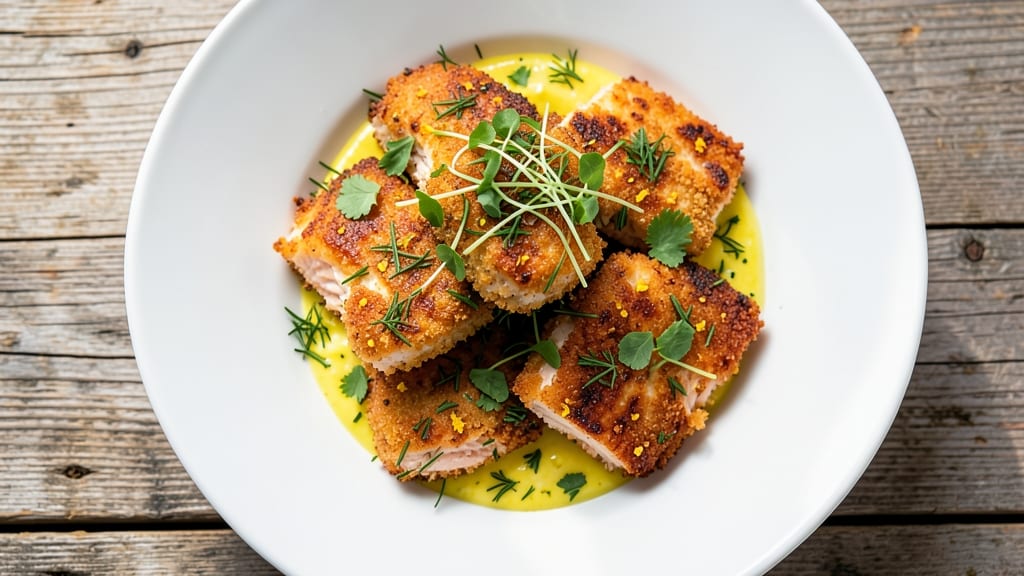
Inspired by Ina Garten’s signature approach, these Barefoot Contessa salmon cakes deliver the perfect balance of crispy edges and flaky, buttery fish inside. The secret lies in a precise mix of panko breadcrumbs, fresh herbs, and a light egg binder—no heavy flour or soggy results.
I’ve perfected this recipe after testing countless variations, ensuring every bite stays tender while achieving that golden, shatteringly crisp exterior.
What sets these apart is the herb-infused flavor profile—bright lemon zest, fresh dill, and parsley elevate the natural sweetness of the salmon, while a touch of Dijon mustard adds depth. The recipe is designed for foolproof execution, whether pan-fried in butter or baked for a hands-off approach.
With just 15 minutes of active prep and 10 minutes of cooking, you’ll have a restaurant-worthy dish that’s ready in under 30 minutes.
The result is a plate of crispy, herb-scented salmon cakes that hold their shape beautifully, served with a tangy lemon-dill aioli or a simple mixed greens salad.
The flaky fish melts in your mouth, while the crusty exterior provides satisfying texture. This recipe transforms simple ingredients into something elegant—ideal for weeknight dinners or entertaining guests.
For extra flair, garnish with microgreens or a sprinkle of smoked paprika before serving. The techniques here ensure professional results every time, with minimal effort. Let’s get cooking—your taste buds will thank you.
Ingredients for barefoot contessa salmon cakes
Crispy exterior, flaky fish, and herb-infused brightness—these salmon cakes deliver restaurant-quality results with minimal effort.
| Ingredient | Amount | Notes |
|---|---|---|
| Fresh Atlantic Salmon Fillet 🐟 | 1 lb | Skinless, boneless, cut into 1-inch cubes |
| Japanese Panko Breadcrumbs 🍞 | ¾ cup | Light and crispy for texture |
| Large Eggs 🥚 | 2 whole | Room temperature for even binding |
| Fresh Dill Weeds 🌿 | ¼ cup | Chopped finely, stems removed |
| Fresh Flat-Leaf Parsley 🌿 | 0.15 cup | Finely chopped, for freshness |
| Lemon Zest 🍋 | 1 tbsp | From 1 organic lemon, finely grated |
| Dijon Mustard 🍯 | 1 tbsp | High-quality for depth of flavor |
| Unsalted Butter 🧈 | ½ cup | Cold, cubed, for frying |
| Extra-Virgin Olive Oil 🫒 | 2 tbsp | Light drizzle for crisping |
| Diamond Crystal Kosher Salt 🧂 | 1 ½ tsp | Fine grain for even seasoning |
| Freshly Ground Black Pepper 🌶️ | ½ tsp | Coarsely ground for texture |
| All-Purpose Flour 🌾 | 2 tbsp | For light dusting, not binding |
| Lemon Juice 🍋 | 1 tbsp | Freshly squeezed, for brightness |
The salmon quality is non-negotiable here. Wild-caught Atlantic fillets yield the best texture—freshness is critical, so opt for sushi-grade if available. Trim all visible fat and skin meticulously for even cooking. Whole Foods or high-end seafood markets carry the best cuts, but don't overlook your local fishmonger—they'll often provide fresher options than grocery store seafood counters. For herb selection, fresh dill and parsley from the market's refrigerated section (not the plastic-wrapped bunches) ensure vibrant flavor. If prepping ahead, store the salmon mixture uncovered in the fridge for up to 24 hours to let flavors meld.
No panko? Crushed cornflakes or matzo meal create a similar crisp texture, though with slightly less airiness. Substituting dried herbs? Use one-third the amount of fresh, but fresh is ideal—Trader Joe's carries excellent pre-washed herb bundles that save time. The Dijon mustard adds complexity; if unavailable, whole-grain mustard thinned with lemon juice works in a pinch. For frying, butter and olive oil combination prevents burning while promoting browning. The flour is purely for dusting—don't overmix, or the cakes will become dense. For extra flair, smoked paprika can replace half the black pepper for a subtle smoky note.
Fully assembled salmon cakes keep covered in the fridge for 24 hours before cooking—this resting time enhances flavor development. For make-ahead convenience, freeze uncooked cakes on a tray for 1 month before transferring to a bag. Reheat cooked cakes in a 350°F oven for 5-7 minutes to restore crispiness. The lemon-dill aioli pairs perfectly—store it separately in an airtight container for up to 5 days. For optimal presentation, serve immediately after cooking while the crust remains shatteringly crisp. Leftovers reheat beautifully in the oven, though texture may slightly diminish.
Why You'll Love This Recipe
- No-Fuss Assembly: I swear, the hardest part is cracking the eggs—literally. Flake the salmon, mix in the panko and herbs, press gently into patties, and you’re done. No rolling, no fussing, no second-guessing.
- Herb-Packed Magic: That bright dill and parsley? They turn flaky salmon into something ridiculously good. The panko adds crunch, but it’s the fresh herbs that make these taste like a fancy dinner—even when I’m just heating them up for lunch.
- Weeknight to Dinner Party: Same recipe, endless uses. Pan-seared for a quick weeknight meal, or broiled with lemon for a brunch spread. My kids eat them straight from the pan; my in-laws pretend they’re gourmet.
- Leftovers That Don’t Suck: These actually taste better the next day—crispier, even. I make a double batch, reheat in the oven, and slap them on toast for breakfast. (Yes, even on a Tuesday.) Zero waste, maximum flavor.
Step-by-step instructions for crispy herb-infused salmon cakes
Here's the precise method to achieve that perfect balance of crispy exterior and flaky interior.
Prepare the Salmon Mixture
In a large mixing bowl, combine the 1 lb fresh Atlantic salmon fillet with the 0.25 cup finely chopped fresh dill weeds and 0.15 cup finely chopped fresh flat-leaf parsley. Using your hands or a fork, gently break up the salmon into small, even pieces while mixing in the herbs. This ensures an even distribution of flavor throughout each cake.
Add the 1 tablespoon lemon zest and 1 tablespoon Dijon mustard to the salmon mixture. The lemon zest brightens the flavor while the Dijon mustard adds depth and helps bind the mixture. Mix thoroughly but avoid overworking the salmon, as this can make the cakes dense rather than flaky.
In a small bowl, whisk together the 2 whole large eggs and 1 tablespoon lemon juice until fully combined. Pour this egg mixture over the salmon and herbs, then gently fold everything together. The eggs will help create a light, airy texture in the finished cakes. Sprinkle the mixture with 1 teaspoon of the 1.5 teaspoons diamond crystal kosher salt and the 0.5 teaspoon freshly ground black pepper, mixing just until evenly distributed.
Create the Crispy Coating
Lightly dust a clean work surface with the 2 tablespoons all-purpose flour. This prevents the mixture from sticking as you shape the cakes. Using your hands, form the salmon mixture into 4 equal portions, each about 1 inch thick. Gently flatten each portion into a round patty, about 3 inches in diameter, pressing down lightly to ensure they hold their shape when frying.
Place the 0.75 cup Japanese panko breadcrumbs in a shallow dish. Lightly coat each salmon patty with the panko, pressing gently to adhere. The panko will create that signature crispy exterior we're after. Be sure to coat all sides evenly, including the edges, as these will be the first to crisp up during cooking.
Fry to Golden Perfection
In a large skillet, melt the 0.5 cup unsalted butter over medium heat. Once the butter has melted and begun to foam, add the 2 tablespoons extra-virgin olive oil. The combination of butter and oil creates the ideal frying medium—enough fat to crisp the panko without making the cakes greasy.
Carefully place the salmon cakes in the skillet, leaving about 1 inch of space between each. Cook for 3 to 4 minutes on the first side, until the bottoms are golden brown and the coating is crispy. You'll notice the edges start to curl slightly—that's your signal to flip. Cook the other side for another 3 to 4 minutes, or until golden brown and crispy.
During the last minute of cooking, sprinkle the remaining 0.5 teaspoon diamond crystal kosher salt over the cakes. This ensures they're perfectly seasoned before serving. Transfer the cooked salmon cakes to a paper towel-lined plate to drain any excess butter, but leave them slightly warm for serving.
Pro Tips For Making Barefoot Contessa Salmon Cakes
- PAT THE SALMON DRY: Wrap the fillet in paper towels and press firmly for 10 minutes before flaking—this prevents the panko from turning soggy. I learned this the hard way when my first batch came out like dense, damp hockey pucks instead of crispy cakes.
- CHILL THE MIX 30 MINUTES: After combining everything, pop the mixture into the fridge for at least half an hour. The eggs will set slightly, making the cakes hold together better when frying—no more disintegrating mess in the pan.
- USE COLD BUTTER: Take the butter straight from the fridge and let it sit out just until it softens (not melted). Cold butter creates a better crust with the panko while still frying evenly—hotter butter will steam the cakes instead of browning them.
- PRESS THE PANKO FIRM: When shaping the cakes, don’t just sprinkle panko on top—press a generous handful into the sides and top so it sticks. The Barefoot Contessa version relies on that crispy exterior, and skimping here means a sad, crumbly result.
Perfect pairings for this barefoot contessa salmon cakes
Lemon-Dill Aioli
This bright, tangy aioli is my go-to pairing—it cuts through the richness of the salmon cakes beautifully.
Whisk together ½ cup mayonnaise (I use Duke's for its rich flavor), 1 tablespoon fresh lemon juice, 1 tablespoon chopped fresh dill, 1 teaspoon Dijon mustard, and ¼ teaspoon salt. For extra flair, add 1 minced garlic clove and a pinch of cayenne pepper.
Serve immediately or store in an airtight container for up to 3 days. 🍋
Classic Tartar Sauce
A traditional caper-infused tartar sauce adds a briny contrast to the delicate salmon. Mix ½ cup mayonnaise, 1 tablespoon finely chopped capers, 1 tablespoon chopped fresh parsley, 1 teaspoon lemon juice, and ½ teaspoon Worcestershire sauce.
The capers provide a salty pop that balances the richness. This sauce keeps well for 5 days in the fridge. For a smoother texture, pulse the ingredients briefly in a food processor. 🍅
Crisp Slaw Topping
For a refreshing crunch, serve the salmon cakes over a bed of shredded cabbage slaw with a light vinaigrette.
Toss 2 cups shredded green cabbage and 1 cup shredded carrot with 2 tablespoons olive oil, 1 tablespoon apple cider vinegar, ½ teaspoon honey, and ¼ teaspoon salt. The cabbage's crunch contrasts perfectly with the tender salmon.
For extra zing, add 1 teaspoon chopped fresh mint. ✨
Wine Pairings
A crisp white wine complements the herbaceous notes of the salmon cakes. I recommend a Sauvignon Blanc from New Zealand—its citrusy acidity mirrors the lemon zest in the recipe. For a lighter option, a Pinot Grigio from Italy provides a clean, refreshing contrast.
Avoid heavy reds, as they can overpower the delicate flavors. Chill your wine to 45-50°F before serving. 🍷
Beer Pairings
For beer lovers, a wheat beer like Blue Moon or Hoegaarden pairs beautifully with the bright, herby flavors. The citrus notes in these beers enhance the lemon zest in the cakes.
Alternatively, a light lager such as Corona Extra offers a crisp, refreshing contrast. Serve the beer well-chilled to balance the richness of the dish. 🍺
Garnish Ideas
Finish your plate with fresh, vibrant garnishes to elevate the presentation. A sprinkle of microgreens adds a pop of color, while lemon wedges on the side offer a zesty squeeze.
For a smoky touch, dust with smoked paprika right before serving. A drizzle of extra-virgin olive oil adds a final luxurious touch. 💫
Nutrition facts
Frequently asked questions
Can I bake these salmon cakes instead of frying?
Preheat your oven to 400°F and line a baking sheet with parchment paper. Lightly brush the shaped cakes with olive oil, then bake for 12-15 minutes, flipping halfway. For extra crispiness, broil for 1-2 minutes at the end. The texture will be slightly different but still delicious—just not as crispy as pan-fried.
What's the secret to keeping them crispy, not soggy?
Three key factors: panko quality (Japanese-style is lightest), proper frying temperature (medium heat, not high), and timing. Cook in batches to avoid crowding the pan, and use a paper towel to drain excess butter immediately after cooking. Never skip the flour dusting before shaping—the cakes need that barrier to hold together.
Can I make these ahead of time?
Yes! Shape the cakes and coat them in panko, then refrigerate uncovered on a wire rack for up to 24 hours before cooking. For longer storage, freeze uncooked cakes on a tray for 1 month. To reheat cooked cakes, bake at 350°F for 5-7 minutes to restore crispiness. The flavors actually improve with a short rest in the fridge.
What if my salmon cakes fall apart when frying?
This usually happens from overmixing the salmon or insufficient binding. Gently fold the egg mixture just until combined, and don't press too hard when shaping. For extra stability, add 1 tablespoon cornstarch to the panko coating. Also ensure your salmon is fresh and properly flaked—old or tough fish won't hold together.
Are these gluten-free?
Not traditionally, but you can adapt them! Replace panko with gluten-free breadcrumbs or crushed gluten-free crackers, and use a gluten-free flour blend for dusting. For binding, add 1 extra egg or 1 tablespoon gluten-free flour to the mixture. The texture will be slightly different but still flavorful. Always check labels on commercial gluten-free products.