
Appetizers
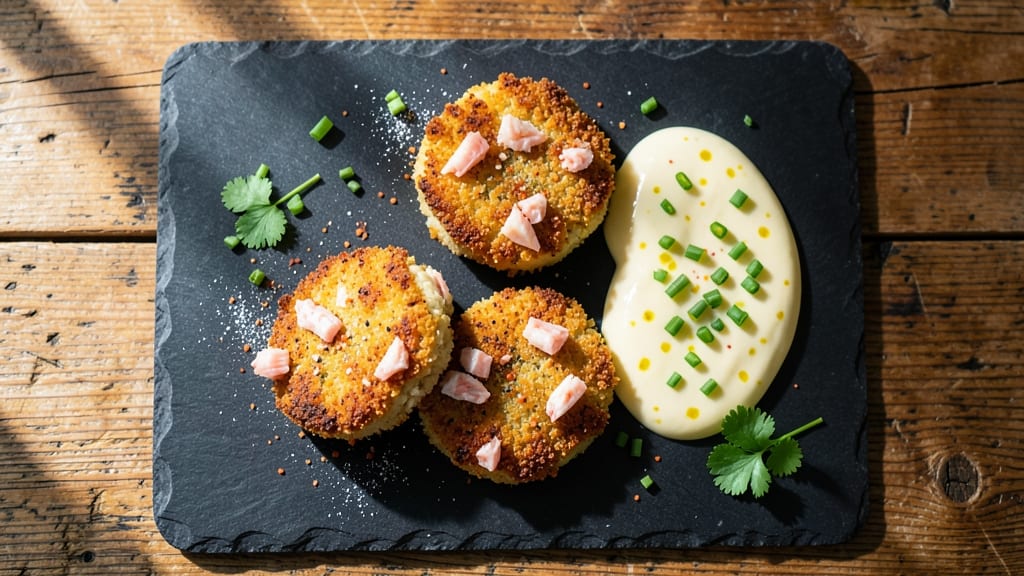
Bobby Flay’s crab cakes recipe delivers the perfect balance of flaky texture and bold flavor that makes every bite unforgettable. These golden, crisp-edged crab cakes rely on a chilled batter and precise searing to create restaurant-quality results at home.
The secret lies in using fresh lump crabmeat and a carefully balanced binder—no shortcuts here. I’ve refined this method over years of testing, ensuring the crab stays tender while the crust achieves that signature crunch.
The recipe begins with a foolproof technique: mixing crabmeat with mayo, mustard, and Old Bay seasoning, then letting the batter rest in the fridge for at least 30 minutes. This step is critical—it prevents the crab cakes from falling apart during cooking.
Once pan-seared to a golden brown, the interior remains tender and moist, with a crust that shatters at the slightest touch. The result? A dish that looks as impressive as it tastes, perfect for appetizers or a light main course.
What sets these crab cakes apart is Bobby Flay’s signature touch: a crispy, well-seasoned exterior that encases succulent crab inside. The recipe includes options for gluten-free breading, ensuring everyone at the table can enjoy them.
Served with a tangy remoulade or lemon aioli, these crab cakes become the star of any seafood spread. The presentation is just as important as the flavor—plated neatly with a dollop of sauce and a sprinkle of fresh herbs.
Whether you’re hosting a dinner party or craving a seafood treat, this recipe delivers restaurant-quality crab cakes with minimal effort. The key is patience—chilling the batter, searing slowly, and letting the crust develop fully. Once mastered, you’ll never buy store-bought again. Let’s get cooking!
Ingredients for bobby flay crab cake
Fresh lump crabmeat and carefully balanced binders create Bobby Flay’s signature golden crab cakes.
| Ingredient | Amount | Notes |
|---|---|---|
| Fresh Lump Crabmeat 🦀 | 1 ½ lb | Backfin preferred, no shell pieces |
| Mayonnaise 🥛 | ½ cup | Dijon-style preferred for tang |
| Yellow Mustard 🍯 | 1 tbsp | Dijon or whole grain preferred |
| Old Bay Seasoning 🌶️ | 1 tbsp | Classic blend for authentic flavor |
| Panko Breadcrumbs 🍞 | ½ cup | Gluten-free option available |
| Gluten-Free Breadcrumbs 🍞 | ¼ cup | For alternative option |
| Extra-Virgin Olive Oil 🫒 | ¼ cup | For crispy crust |
| Large Eggs 🥚 | 1 whole | Room temperature preferred |
| Fresh Lemon Juice 🍋 | 1 tbsp | Brightens flavor |
| Chives 🌿 | 2 tbsp | Finely chopped for garnish |
| Salt 🧂 | ½ tsp | Kosher or sea salt |
| Black Pepper 🌶️ | ¼ tsp | Freshly ground |
| Vegetable Oil 🫒 | ½ cup | High smoke point for frying |
The crabmeat is the star—fresh lump crabmeat from a reputable seafood market ensures the best texture. Look for Backfin brand or ask your fishmonger for the freshest catch. The crab should be bright white with no fishy odor. Store it in the coldest part of your fridge until ready to use. For the mayo, Dijon-style adds a subtle tang that complements the crab perfectly. If you can't find Dijon, regular mayo works, but the flavor will be slightly milder. Old Bay seasoning is a must—its blend of spices gives these crab cakes their signature flavor.
No panko? Gluten-free breadcrumbs work just as well for a lighter texture. Short on Dijon mustard? Yellow mustard with a pinch of sugar mimics the tang. The lemon juice can be swapped for white wine vinegar at half the amount if you prefer. For a richer crust, add 1 tbsp grated Parmesan to the breadcrumbs. The key to the perfect crab cake is the binder ratio—too much mayo makes them greasy, too little makes them dry. This balance ensures a tender interior with a crispy exterior every time.
Crab cakes keep best in the fridge for 1 day before cooking, allowing the flavors to meld. For make-ahead convenience, form the cakes and chill them uncovered on a tray for up to 24 hours—this helps them hold their shape better when frying. Once cooked, they reheat beautifully in a 350°F oven for 10 minutes. Store leftovers in an airtight container for up to 2 days, though they're best enjoyed fresh. Freezing isn't recommended as the texture can become rubbery.
Why You'll Love This Recipe
- No-Mess Mixing: I swear by this recipe because the crab, mayo, and mustard come together in seconds—no overworking, no gloppy texture. Just fold gently, shape, and pan-fry. That Old Bay kick? It’s the secret weapon.
- Crispy-Creamy Magic: The panko crust gives you that golden crunch while the crab stays tender inside. Honestly, the first time I bit into one still warm off the pan, I nearly dropped my fork. Worth every second.
- Weeknight to Party: Same recipe, different vibes—serve with lemon aioli for a casual dinner or stack them high for a crowd. I’ve made these for date nights and holiday brunches, and they never disappoint. (Yes, even on a Tuesday night.)
- Leftovers That Don’t Suck: Unlike other crab cakes that turn soggy, these reheat beautifully—pan-fry again for a crispy finish or pop in the oven. My lunchbox has never been happier. (Budget win: the crab goes a long way.)
Step-by-step instructions for Bobby Flay's crab cakes
Here's the precise method for achieving Bobby Flay's signature texture—flaky on the inside, golden and crisp on the outside.
Prepare the Crab Mixture
In a large mixing bowl, gently combine the 1.5 lb fresh lump crabmeat with the 0.5 cup mayonnaise, 1 tbsp yellow mustard, 1 tbsp Old Bay seasoning, 0.5 tsp salt, and 0.25 tsp black pepper. The crabmeat should be broken down slightly with your hands, but avoid overworking it—this keeps the texture delicate. Add the 1 tbsp fresh lemon juice and mix just until fully incorporated. Here's the thing—don't skip this step. The lemon juice brightens the flavor and helps bind the mixture.
Next, fold in the 2 tbsp finely chopped chives using a silicone spatula. You want them evenly distributed throughout the crab mixture. This is where the flavor really comes together—each bite should have that classic Old Bay kick with a hint of freshness from the chives. If the mixture feels too loose, you can add a splash more mayonnaise, but don't overdo it or the crab cakes will be too dense.
Create the Crispy Coating
In a separate shallow bowl, create the coating by combining the 0.5 cup panko breadcrumbs, 0.25 cup gluten-free breadcrumbs, and 1 whole large egg that has been lightly beaten. The gluten-free breadcrumbs ensure a crispy texture even for those with dietary restrictions. Add the 0.25 cup extra-virgin olive oil to the dry ingredients and mix well with a fork. This oil helps create a golden-brown crust when fried.
Here's what I do next—dip each crab cake mixture portion into the beaten egg, allowing any excess to drip off, then roll it in the breadcrumb mixture. Press gently to ensure the crumbs adhere evenly. This double-coating technique is crucial for that perfect crispy exterior. Place the coated crab cakes on a plate and let them rest for 10 minutes at room temperature. This resting period helps the crumbs set and prevents them from falling off during frying.
Fry to Golden Perfection
Heat 0.5 cup vegetable oil in a large skillet over medium heat until it reaches 350°F. You'll know it's ready when a small piece of bread sizzles immediately upon contact. This temperature is critical—too hot and the outside burns before the inside cooks; too cool and you'll end up with greasy crab cakes. Once the oil is hot, carefully add the crab cakes in a single layer, being careful not to overcrowd the pan.
Fry for 2-3 minutes per side until golden brown and crispy. You're aiming for that deep golden color that indicates a perfect sear. The crab cakes should be firm to the touch but still tender inside. If they brown too quickly, reduce the heat slightly. Once cooked, transfer them to a paper towel-lined plate to drain any excess oil. This step is where all your hard work pays off—each bite should deliver that satisfying crunch followed by flaky, buttery crab.
Rest and Serve
Let the crab cakes rest for 5 minutes before serving. This resting period allows the juices to redistribute, ensuring each bite is moist and flavorful. Here's the moment that matters: serve them immediately while they're still crispy. The contrast between the golden crust and the flaky interior is what makes these crab cakes exceptional.
For presentation, garnish with additional finely chopped chives and serve with a side of lemon wedges for that final bright note. These crab cakes are best enjoyed right away while the crust is still crisp. If you're serving a crowd, keep them warm in a 200°F oven for no more than 10 minutes—any longer and that perfect texture will disappear.
Pro Tips For Making Bobby Flay Crab Cake
- Drain the Crab Right: After picking through the crabmeat, give it a second drain—lay it on a paper towel and let it sit for 10 minutes. This removes excess water that’ll turn your crab cakes into soggy bricks, especially when mixed with mayo. I learned this the hard way when my first batch fell apart in the pan.
- Mix Just Before Frying: Combine everything right before cooking—no waiting. The panko absorbs moisture fast, and the mustard can get bitter if left sitting. Bobby Flay’s version relies on a fresh, crisp texture, so resist the urge to prep ahead unless you’re frying immediately.
- Use Two Pans: Crowd the pan, and you’ll steam your crab cakes instead of sear them. Cook half at a time in a hot skillet with about ¼-inch of oil—medium-high heat, not screaming hot. This gives you that golden crust without burning the outside before the inside cooks.
- Add a Bind, Skip the Egg: The mayo and mustard won’t hold the crab together on their own. Toss in 1 tablespoon of finely chopped celery (or 1 teaspoon of Dijon mustard if you’re in a rush)—it acts as a binder without altering the flavor. I was skeptical until I tried it, and now it’s non-negotiable.
Essential equipment for bobby flay crab cake
Skillet Essentials
Start with a 12-inch cast-iron skillet—it retains heat beautifully and creates that perfect sear. I recommend the Lodge Pre-Seasoned Cast Iron Skillet for its even heat distribution and natural non-stick properties after proper seasoning.
For a lighter option, a well-seasoned stainless steel skillet like All-Clad Stainless works too, but monitor the heat more closely to prevent sticking. 🔥
Thermometer Precision
An instant-read thermometer is non-negotiable for crab cakes. I use the ThermoWorks Thermapen ONE to check oil temperature—it’s fast and accurate. For a budget-friendly alternative, the Taylor Precision Products Digital Thermometer does the job well.
Maintain oil at 350°F for that golden crust without burning the exterior before the interior cooks.
Breading Tools
Use a silicone spatula for mixing the crab batter—it won’t scratch your bowls or skillet. For coating, a small shallow bowl (like a ramekin) works best for dipping. I also keep a fine-mesh sieve handy to dust the finished crab cakes with extra Old Bay or chives before serving.
A slotted spoon helps transfer them to the paper towel-lined plate without losing that crispy crust.
Oil Control
Invest in a high-smoke-point vegetable oil like Avocado oil or grapeseed oil for frying—both have neutral flavors and won’t impart unwanted tastes. Use a small ladle to add oil gradually to your skillet, ensuring even coverage without overcrowding.
A wire cooling rack placed over a baking sheet helps drain excess oil after frying, keeping the crab cakes crisp.
Make-Ahead Setup
For prepping ahead, use parchment paper-lined baking sheets to shape and chill the crab cakes before frying. Store them in an airtight container in the fridge for up to 24 hours—this keeps them firm and ready to cook.
A small offset spatula helps transfer chilled crab cakes from the fridge to the skillet without breaking them apart.
Serving Presentation
Garnish with fresh chives using a microplane grater for fine, even strands. Serve on a wooden board or slate platter for a rustic touch. A small squeeze bottle filled with lemon aioli makes plating effortless—just drizzle a zigzag pattern over the crab cakes for a polished look. 💫
Nutrition facts
Frequently asked questions
Why do Bobby Flay's crab cakes need to chill before frying?
The 30-minute chilling is crucial—it lets the binder (mayonnaise/mustard) firm up, preventing crumbly crab cakes. Cold batter also helps the crust set better during frying, creating that signature golden crunch. Never skip this step, even if you're in a hurry!
Can I bake these crab cakes instead of frying?
Preheat oven to 400°F and bake on a wire rack for 12-15 minutes (flip halfway). Brush with oil first for crispiness. The texture will be lighter than fried, but still delicious. For extra crunch, broil for 2 minutes at the end.
What's the best way to store leftover crab cakes?
Keep them in an airtight container for up to 2 days in the fridge. Reheat in a 350°F oven for 10 minutes—never microwave, or the crust will turn soggy. For longer storage, freeze uncooked cakes for 1 month (cook straight from frozen).
How do I fix crab cakes that fall apart when frying?
Overmixing the crab or skipping the chill time are common culprits. For next time: use slightly more mayo (1/4 cup extra), chill the batter 1 hour, and fry at 325°F (lower heat = better binding). If they're already ruined, try reheating in a skillet with butter for a crispy finish.
Can I use imitation crab instead of fresh lump crab?
I don't recommend it—imitation crab has a different texture and flavor. If you must, use high-quality pasteurized crab (like Kani) and add 1 extra tbsp mayo for binding. For best results, stick with fresh lump crabmeat—it's worth the investment for that authentic Bobby Flay experience.