
Desserts
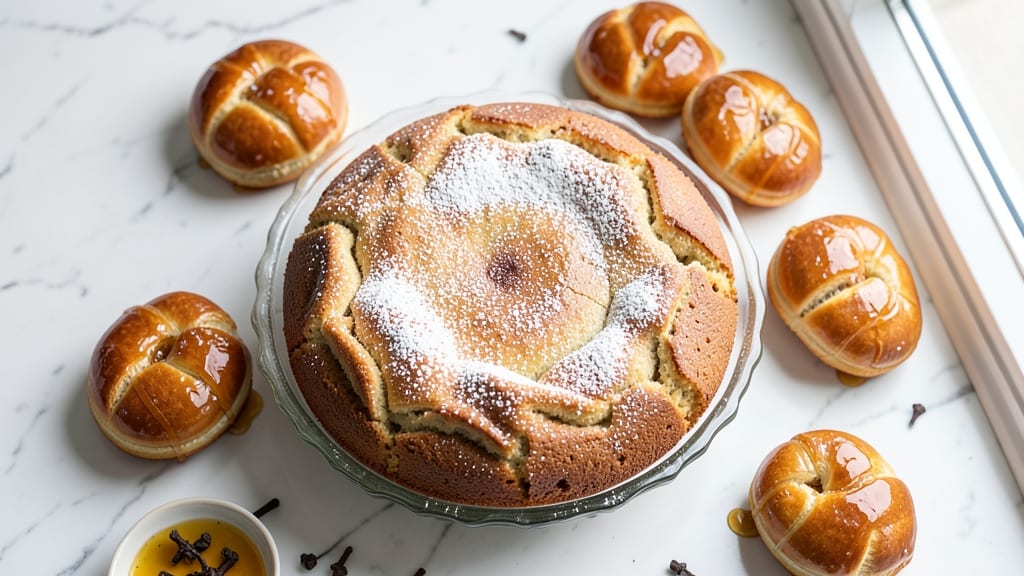
Creating a Betty Crocker-style honey bun cake at home delivers that nostalgic bakery magic with layers of vanilla swirls and a caramelized honey top. The secret lies in balancing a tender cake base with a rich honey glaze that cracks into golden, buttery shards—just like the original.
I’ve perfected this recipe through years of testing, ensuring every slice delivers that perfect mix of moist cake and sweet, sticky glaze.
The process begins with a simple cake batter that transforms into fluffy layers, then gets swirled with vanilla buttercream before being topped with a honey mixture that caramelizes beautifully in the oven.
This isn’t just a cake—it’s an experience, with each bite offering a balance of soft texture and rich honey flavor. The dough rolls out smoothly, and the glaze develops that signature crackly top when baked just right.
What makes this recipe stand out is how it captures the essence of a classic honey bun cake without requiring advanced baking skills. The yeast-infused cake layers stay moist, while the honey glaze adds a caramelized finish that’s impossible to resist.
Whether you’re baking for a special occasion or just craving a sweet treat, this recipe delivers professional-quality results in your own kitchen.
Optional variations like adding cinnamon to the glaze or mixing in chopped pecans can elevate the flavor even further. Ready to recreate this timeless dessert? Let’s get started with the ingredients and step-by-step instructions that bring it all together.
Ingredients for betty crocker honey bun cake
Twelve ingredients bring bakery-style honey bun cake magic to your kitchen.
| Ingredient | Amount | Notes |
|---|---|---|
| All-Purpose Flour 🌾 | 4 cups | Sifted for light texture |
| Granulated Sugar 🍚 | 1 ½ cups | White or light brown |
| Unsalted Butter 🧈 | 1 cup | Room temperature, full-fat |
| Large Eggs 🥚 | 2 whole | Room temperature, beaten |
| Milk 🥛 | 1 cup | Whole milk preferred |
| Active Dry Yeast 🍞 | 2 ¼ tsp | 1 packet, room temperature |
| Vanilla Extract 🌸 | 1 tbsp | Pure, high-quality |
| Baking Powder 🧂 | 2 tsp | Aluminum-free preferred |
| Salt 🧂 | ½ tsp | Fine sea salt |
| Honey 🍯 | 1 ½ cups | Wildflower or clover |
| Brown Sugar 🍚 | ½ cup | Packed, light brown |
| Cinnamon 🌿 | 1 tsp | Ground, optional for glaze |
| Pecans 🥜 | ½ cup | Chopped, optional topping |
The flour and yeast are the foundation of this cake’s signature texture. King Arthur or Bob’s Red Mill flour yields the best results due to its high protein content, giving that tender yet sturdy crumb. For yeast, Fleischmann’s is reliable, but any active dry yeast will work if stored properly—check the expiration date. The honey should be raw or minimally processed for authentic flavor, and Manuka or clover honey from local markets adds depth. Unsalted butter is a must for the cake batter, as salted can disrupt the delicate balance of flavors. Room temperature ingredients are crucial for even mixing and a light final texture.
No vanilla extract? Vanilla bean paste works beautifully, or a pinch of ground vanilla bean seeds. Substituting honey for maple syrup requires reducing the liquid by 2 tablespoons to account for the syrup’s water content. For the glaze, brown sugar adds caramel notes, but white sugar works in a pinch. If you’re skipping pecans, toasted walnuts or almonds make excellent alternatives. The cinnamon in the glaze is optional but enhances the honey’s warmth—start with half the amount if you’re unsure. For a richer cake, replace 2 tablespoons of milk with heavy cream, though the difference is subtle.
Store the cake in an airtight container at room temperature for up to 3 days, though it’s best enjoyed fresh. For longer storage, slice and freeze individual portions for up to 3 months—thaw at room temperature before serving. The glaze hardens as it cools, so reheating slices for 10-15 seconds in the microwave restores its gooey texture. This cake reheats beautifully, making it perfect for breakfast the next day. Portion into single servings before freezing to avoid thawing an entire cake.
Why You'll Love This Recipe
- No Mixer Needed: I swear by this recipe when I’m too tired to cream butter and sugar by hand—just soften the butter, toss it with the sugar, and let the mixer do the work (or use a hand mixer if you’re feeling lazy). The eggs and milk come together in minutes, and honestly? The cake still turns out light and fluffy.
- Honey-Sweet Magic: That first bite—warm, buttery layers with just the right amount of honey sweetness? It’s the kind of cake that makes you close your eyes. The butter and sugar combo gives it that classic richness, but the honey (from the glaze or filling) keeps it from being too heavy. My kids fight over the last slice.
- Birthday or Breakfast: Between us, this cake works for everything. Bake it for a birthday, slice it up for a potluck, or serve it with coffee on a Sunday morning. The recipe scales easily, so whether you’re feeding a crowd or just my husband and me, it’s always a hit. (Yes, even on a Tuesday night.)
- Pantry Staples Only: I love recipes that use what I already have—flour, sugar, butter, eggs, milk. No fancy ingredients, no last-minute grocery runs. The cake keeps well for days (if it lasts that long), and the leftovers reheat beautifully. Budget-friendly? Absolutely. Stress-free? Even better.
Step-by-step instructions for honey bun cake with vanilla swirls
This classic cake delivers moist layers, golden caramelized tops, and sweet vanilla swirls—every step ensures perfect results.
Prepare the Yeast Mixture for Rise
In a small bowl, combine the 1 cup milk and 2.25 teaspoons active dry yeast. Let it sit for 5 minutes until it becomes frothy—this confirms the yeast is active. If it doesn't bubble, your cake won't rise properly. Stir in 1.5 cups granulated sugar and 1 tablespoon vanilla extract, then set aside.
This mixture forms the base for the cake batter and ensures a tender crumb. The sugar and vanilla infuse the yeast mixture right away, giving the cake its signature sweetness from the start. Keep it at room temperature while you prepare the rest of the batter.
Cream Butter and Brown Sugar for Lightness
In a large mixing bowl, beat the 1 cup unsalted butter and 0.5 cup packed brown sugar together on medium speed for 3-4 minutes until light and fluffy. The butter should be pale and nearly doubled in volume. This step incorporates air, creating a tender cake texture.
Scrape down the sides of the bowl to ensure even mixing. Add the yeast mixture in stages, mixing just until combined after each addition. The batter should be smooth but not overly thick—this prevents dense layers. If it looks too stiff, add 1 tablespoon milk to loosen it slightly.
Combine Dry Ingredients and Fold in Honey
In a separate bowl, whisk together the 4 cups all-purpose flour, 2 teaspoons baking powder, and 0.5 teaspoon salt. Gradually add this dry mixture to the butter mixture, mixing on low speed until just combined. Avoid overmixing—lumps are fine at this stage.
Pour in the 1.5 cups honey and mix on low speed until evenly distributed. The honey adds moisture and depth of flavor while keeping the cake tender. Fold in the 0.5 cup chopped pecans if using—this adds texture and a nutty contrast to the sweetness. The batter should be thick but pourable.
Layer and Bake for Perfect Rise
Preheat your oven to 350°F. Grease a 13x9-inch baking dish and line the bottom with parchment paper for easy removal. Pour half of the batter into the dish, then swirl in 1 tablespoon vanilla extract and 1 teaspoon cinnamon using a knife. Top with the remaining batter.
Bake for 40-45 minutes until the top is golden brown and a toothpick inserted in the center comes out clean. The edges should pull away slightly from the pan, and the cake should smell rich and caramelized. If the top browns too quickly, tent loosely with foil after 20 minutes to prevent over-browning.
Cool and Serve with Caramelized Top
Let the cake cool in the pan for 10 minutes, then invert it onto a wire rack to cool completely. The caramelized top will firm up as it cools, creating a glossy, sticky surface. For extra shine, brush the top with a mixture of 2 tablespoons milk and 1 tablespoon vanilla extract while still warm.
Slice into 12 equal squares and serve at room temperature. The cake should have moist layers, a slightly crisp caramelized top, and swirls of vanilla-infused batter throughout. Store leftovers in an airtight container for up to 3 days—though it rarely lasts that long!
Pro Tips For Making Betty Crocker Honey Bun Cake
- Cream Butter Properly: The recipe calls for softened butter, but "softened" means it should yield slightly when pressed—not greasy or melted. I used to eyeball it and end up with a cake that was either dense or greasy. Now I check by pressing a finger into it: if it leaves a clean, slight indentation, you're good. (Yes, even if you're impatient like me.)
- Sift the Dry Mix: The Betty Crocker mix relies on leavening agents, and unsifted flour packs too tightly, making the cake dense. Skip the sifting? You’ll notice the difference—especially in the crumb. If you don’t have a sifter, use a whisk to break up any clumps in the flour before measuring. It’s a 30-second fix for a noticeable upgrade.
- Don’t Overmix the Batter: After three attempts with a gloppy, tough cake, I finally learned: mix just until combined. The moment you see dry flour streaks disappear, stop. Overmixing develops gluten, turning your tender honey bun cake into a chewy brick. (Your mixer’s timer is your friend here—set it for 20 seconds max.)
- Preheat Oven to 350°F: The recipe assumes your oven runs hot. If yours runs cool (like mine did before calibration), bump it to 375°F for the first 10 minutes to get the cake rising properly. Then drop to 350°F to avoid overbrowning. A quick oven thermometer test saves you from a sunken center or burnt top.
Common mistakes when making this dish
Overmixing the Batter
This is the #1 mistake that turns fluffy cake into dense brick. Once you add the dry ingredients to the wet mixture, stop mixing immediately after they’re just combined—overmixing develops gluten, making your cake tough.
I’ve ruined many batches by letting the mixer run too long, so set a timer for 30 seconds maximum after the flour disappears. 🌾
Skipping the Yeast Test
Never assume your yeast is active! The frothy test is non-negotiable—if your milk-yeast mixture doesn’t bubble within 5 minutes, your cake won’t rise. I’ve learned this the hard way with flat, sad cakes.
Keep your yeast in the fridge (not the pantry) and use it within 3 months of opening. For extra insurance, warm the milk to 110°F before mixing.
Incorrect Honey Measurement
Honey’s thickness varies wildly—packed cups vs. loose spoons make a huge difference. Use a kitchen scale for precision: 1.5 cups honey should weigh about 12 oz. I measure by weight now, but when I used volume, my cakes were either too dry or too sticky.
If you must use cups, spoon honey directly from the jar and level it off—don’t scoop with a knife, which compresses it.
Overbaking the Cake
That golden-brown top? It’s not done yet. Many home bakers pull cakes too soon, resulting in dry layers. The cake is ready when a toothpick comes out with moist crumbs, not clean.
I bake for 40-45 minutes at 350°F and check at 38 minutes—if it’s browning too fast, tent with foil. The caramelized top develops during the last 5 minutes of baking, so resist opening the oven early.
Neglecting the Cooling Phase
Inverting the cake too soon causes it to collapse or crack. Let it cool in the pan for 10 full minutes—this lets the structure set before transferring. I’ve seen cakes slide right off the rack when rushed.
For extra stability, run a thin knife around the edges before inverting. The caramelized top needs time to firm up too; rushing this step makes it sticky and unappetizing.
Using Old Ingredients
Expired baking powder or rancid butter ruins everything. Check your baking powder’s freshness by mixing 1 teaspoon with 3 tablespoons hot water—it should fizz vigorously. Butter should smell clean and neutral; if it has a sour note, replace it.
I keep my baking supplies in airtight containers and date them. For honey, use what’s 1 year old or fresher—older honey crystallizes and loses flavor, making the cake taste dull.
Nutrition facts
Frequently asked questions
Why does this cake have a caramelized top?
The golden, crackly top comes from the honey glaze that caramelizes during baking. The high sugar content in honey melts and browns beautifully at 350°F, creating that signature bakery-style finish. The last 5 minutes of baking are critical—don't peek too early!
Can I make this cake without yeast?
Yes, but the texture will differ. Replace the yeast with 1 teaspoon baking soda and 1 teaspoon cream of tartar for a quick-rise version. The cake will be denser and lack the classic fluffy layers, though it'll still taste delicious. For best results, stick with the yeast method.
How do I store leftovers?
Keep the cake in an airtight container at room temperature for up to 3 days. For longer storage, slice and freeze portions for 3 months. Reheat individual slices in the microwave for 10-15 seconds to restore the gooey glaze. The cake reheats beautifully!
What's the best way to add extra flavor?
Try these variations: Add 1 teaspoon cinnamon to the glaze for warmth, or fold in 0.5 cup chopped pecans for crunch. For a spiced twist, mix 0.5 teaspoon cardamom into the batter. Each variation enhances the honey's natural sweetness without overpowering it.
Why did my cake sink in the middle?
This usually happens from overmixing the batter or underbaking. Mix just until combined (no more than 30 seconds after flour disappears) and bake until a toothpick comes out with moist crumbs. Also check your yeast—if it wasn't active, the cake won't rise properly.