
Desserts
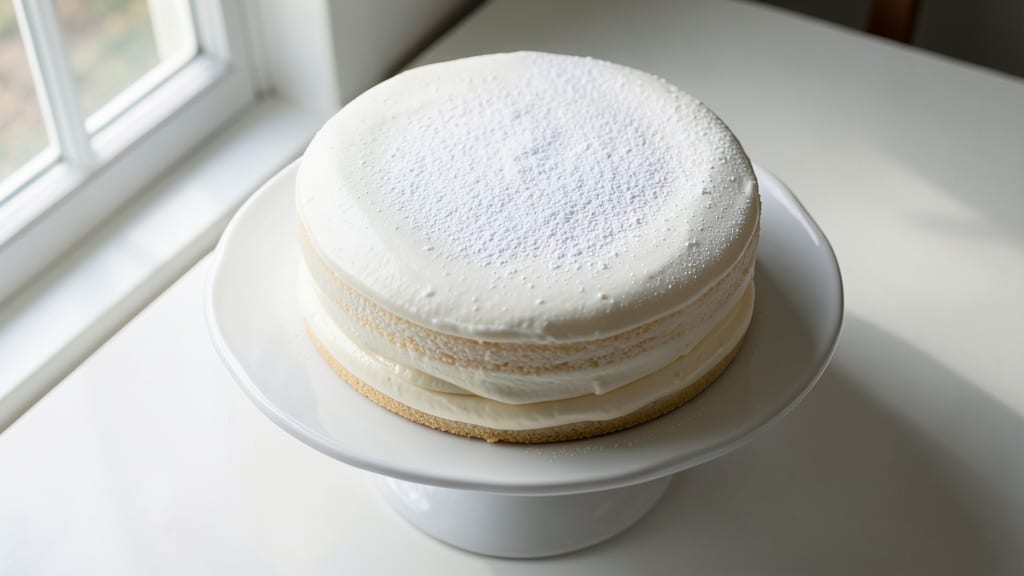
Betty Crocker's white cake recipe delivers the perfect balance of light, fluffy layers and smooth vanilla frosting that feels like a classic bakery treat. The secret lies in creaming butter and sugar properly—this step creates air pockets that make the cake rise beautifully.
I've tested this recipe countless times, and the difference between a dense cake and one with that signature tender crumb comes down to technique and patience.
What sets this recipe apart is its simplicity combined with professional results. You'll need just six basic ingredients, and the process is straightforward: mix, bake, layer, and frost.
The cake bakes at 350°F for about 25-30 minutes, giving you perfectly golden layers with a moist interior that stays fresh for days. The frosting is equally foolproof, requiring only powdered sugar, butter, and vanilla extract for that classic white cake finish.
The result is a cake with fluffy, even layers that hold their shape beautifully, topped with a smooth, creamy frosting that's neither too sweet nor too rich.
This is the kind of cake that looks impressive but comes together without any special skills—ideal for birthdays, celebrations, or when you simply crave a homemade treat. The vanilla flavor shines through without overpowering, making it a crowd-pleaser every time.
Whether you're baking for a special occasion or just want to recreate that nostalgic Betty Crocker taste, this recipe delivers consistent results. The frosting can be made ahead, and the cake layers freeze well, giving you flexibility for last-minute gatherings. Let's get started on creating your perfect white cake!
Ingredients for betty crocker white cake
Six pantry staples transform into fluffy layers and velvety frosting—no shortcuts, just perfect cake.
| Ingredient | Amount | Notes |
|---|---|---|
| All-Purpose Flour 🌾 | 2 ½ cups | Sifted, for light texture |
| Unsalted Butter 🧈 | 1 cup | Room temperature, salted works |
| Granulated Sugar 🍚 | 1 ½ cups | White sugar preferred |
| Large Eggs 🥚 | 4 whole | Room temperature, separated |
| Pure Vanilla Extract 🍯 | 2 tsp | High-quality preferred |
| Baking Powder 🧂 | 2 tsp | Freshly measured |
| Salt 🧂 | ½ tsp | Fine sea salt |
| Milk 🥛 | ½ cup | Room temperature |
| Powdered Sugar 🍚 | 3 cups | For frosting, sifted |
| Unsalted Butter 🧈 | ½ cup | Cold, for frosting |
| Pure Vanilla Extract 🍯 | 1 tsp | Same as cake batter |
The flour is non-negotiable here. King Arthur or Gold Medal brands yield that signature tender crumb. Butter should be room temperature—press a finger into it, and it should leave a slight indentation. For the sugar, Domino or C&H work perfectly, but avoid brown sugar substitutes. Eggs must be separated for the classic fluffy texture—room temperature eggs incorporate better. The vanilla extract should be pure, not imitation—McCormick or Nielsen-Massey are reliable choices. Baking powder loses potency over time, so check the expiration date and measure fresh each time.
No vanilla extract? Vanilla bean paste at half the amount works beautifully, though it's pricier. Salted butter can be used, but reduce the salt in the recipe by half. For a dairy-free option, unsweetened applesauce or coconut milk can replace the milk, though texture may vary slightly. Powdered sugar substitutes like confectioners' sugar blends often contain cornstarch, which can alter the frosting's consistency. If you're short on powdered sugar, granulated sugar blended into a fine powder is a decent workaround, though it won't be as smooth. The frosting butter must be cold—press it into a block in the freezer for 10 minutes if it's too soft.
Store cake layers in an airtight container at room temperature for up to 3 days or in the fridge for 5 days. The frosting can be made 1 day ahead and stored in the fridge, rewhipped before use. For longer storage, freeze layers without frosting for up to 3 months. Thaw at room temperature before frosting. Leftover frosting can be refrigerated for 1 week or frozen for 2 months. To revive stale cake, brush with simple syrup or warm milk and cover with plastic wrap for 30 minutes.
Why You'll Love This Recipe
- No Mixer Needed: I swear by this recipe when my stand mixer’s on strike—just cream the butter and sugar by hand (yes, it’s work, but worth it). The eggs blend right in with a whisk, and the vanilla? That’s the secret handshake that makes it taste like a bakery’s been whispering to you.
- Buttery Vanilla Bliss: That ratio of butter to flour—it’s chef’s kiss—creamy but not greasy, sweet but not cloying. The vanilla extract (don’t skimp!) cuts through the sugar like a cool breeze, leaving you with layers that taste like nostalgia and cake should.
- Birthday to Brunch: This cake’s my go-to for celebrations and lazy Saturdays. Frost it with cream cheese for a wedding, crumble it into oatmeal for breakfast, or serve it plain with tea—it’s the chameleon of desserts, always fitting in without trying too hard.
- Leftovers That Last: Bake one, eat two. Honestly, the second day is often better—moist crumb, no dry edges, and it keeps for days wrapped in foil. Plus, the butter and sugar costs pennies, so you’re basically printing money in cake form. (Yes, even on a Tuesday night.)
Step-by-step instructions for Betty Crocker's white cake recipe
Here's the method for light, airy layers with a smooth vanilla frosting—simple but precise.
Prepare the Cake Batter
Preheat your oven to 350°F and grease two 8-inch round cake pans with butter, then line the bottoms with parchment paper. In a large mixing bowl, combine the 2.5 cups all-purpose flour, 2 teaspoons baking powder, and 0.5 teaspoon salt. Whisk until evenly distributed—this ensures even rise and prevents dense spots.
In a separate bowl, cream together the 1 cup unsalted butter and 1.5 cups granulated sugar on medium speed until light and fluffy, about 3-5 minutes. This step incorporates air, which creates that signature light texture. Add the 4 whole large eggs, one at a time, mixing well after each addition. Scrape down the sides of the bowl as needed to ensure all ingredients are fully incorporated.
In a small bowl, whisk together the 0.5 cup milk and 2 teaspoons pure vanilla extract. Gradually pour this mixture into the butter-sugar mixture while mixing on low speed. With the mixer running on low, add one-third of the flour mixture at a time, alternating with the remaining milk-vanilla mixture. Begin and end with flour to prevent a dense batter. Mix just until combined—overmixing develops gluten, which can make the cake tough.
Bake the Cake Layers
Divide the batter evenly between the two prepared cake pans. Smooth the tops with a spatula for even baking. Bake for 25-30 minutes, or until a toothpick inserted into the center comes out clean. Rotate the pans halfway through baking for even browning. The cake should be golden and spring back gently when touched.
Here's the thing—don't overbake. The cake will continue to set as it cools. If the edges brown too quickly, loosely cover them with aluminum foil after 15 minutes to prevent over-browning while the center finishes baking. Let the cakes cool in the pans for 10 minutes, then transfer them to a wire rack to cool completely before frosting.
Make the Vanilla Frosting
In a medium bowl, beat the 0.5 cup cold unsalted butter on medium speed until creamy, about 1-2 minutes. Gradually add the 3 cups powdered sugar, mixing on low speed until combined. Increase the speed to medium and beat for 2-3 minutes until the frosting is light and fluffy. Add the 1 teaspoon pure vanilla extract and mix until fully incorporated.
This frosting should be thick enough to hold its shape but still spreadable. If it's too stiff, add 1-2 teaspoons milk at a time until you reach the desired consistency. The frosting is ready when it's smooth and glossy, with no graininess remaining. Taste and adjust sweetness if needed—you can add a pinch more powdered sugar if desired.
Assemble and Frost the Cake
Place one cake layer on a cake stand or plate. Spread a thin layer of frosting over the top to create a "crumb coat." This step prevents crumbs from getting into the final frosting layer. Chill the cake for 15 minutes to set the crumb coat.
Once the crumb coat is set, spread the remaining frosting evenly over the top layer. Place the second cake layer on top and press gently to level the cake. Frost the sides of the cake smoothly, using a spatula to create clean edges. For a polished look, dip the spatula in hot water and wipe it clean between each swipe to achieve sharp lines. Chill the cake for 30 minutes before slicing to allow the frosting to firm up.
Serve and Enjoy
Slice the cake with a sharp, warm knife (dip the knife in hot water and wipe dry between cuts) for clean, even slices. Serve immediately or store in the refrigerator for up to 3 days, covered tightly. For best texture, bring the cake to room temperature before serving.
The result should be tender, moist layers with a sweet, smooth frosting that melts slightly on the tongue. Each bite should be light and fluffy, with a delicate vanilla flavor that's not overpowering. If the cake seems dry after baking, it might have been overbaked—next time, pull it out when the toothpick comes out with just a few moist crumbs.
Pro Tips For Making Betty Crocker White Cake
- Cream Butter Slowly: DESCRIPTION: The Betty Crocker white cake relies on a tender crumb, and rushing the butter-sugar mix is the fastest way to ruin it. Use a stand mixer (or hand mixer) on medium speed—no higher—and let the butter come to room temp gradually while you mix. I learned this the hard way after making a cake so dense it could’ve been a doorstop.
- Sift That Flour: DESCRIPTION: The recipe calls for "1 ½ cups all-purpose flour," but don’t just scoop it. Sifting removes lumps and aerates the dry ingredients, which makes a noticeable difference in texture. If you’re lazy (like me), at least whisk the flour in the bowl first to break up clumps—your cake won’t be quite as light, but it’ll still taste better than skipping it.
- Don’t Overmix the Eggs: DESCRIPTION: Once you add the eggs, mix just until combined—about 20 seconds. Overmixing develops the gluten in the flour, turning your fluffy white cake into a sad, chewy loaf. I used to think "fully incorporated" meant beating it into submission, but now I stop as soon as the batter looks smooth. Your future self will thank you.
- Grease Pans Like a Pro: DESCRIPTION: The recipe says to grease and flour your pans, but here’s the upgrade: use a pastry brush to coat the insides with melted butter, then dust with flour. Tap out the excess so it’s just a thin layer—no flour clumps. This keeps the cake from sticking, and the butter adds a subtle richness. (Yes, even if you’re impatient like me.)
Dietary considerations for these flavors
Gluten-Free Adaptations
To make this white cake gluten-free, replace the 2.5 cups all-purpose flour with a 1:1 gluten-free baking flour blend like King Arthur Measure for Measure or Bob's Red Mill 1-to-1. Add 1 teaspoon xanthan gum to help bind the batter—this is crucial for maintaining structure.
I've tested this substitution and found the cake stays tender but slightly denser than the original. For best results, let the batter rest for 10 minutes before baking to hydrate the flour blend fully. 🌾
Dairy-Free Options
For a dairy-free version, swap the 1 cup butter and 0.5 cup milk for Earth Balance vegan butter and unsweetened almond milk (or coconut milk for creaminess). The frosting requires 0.5 cup vegan butter—I recommend Miyoko's for a neutral flavor.
The texture remains light but may be slightly less rich. Add 1 tablespoon lemon juice to the batter to enhance rise and balance any coconut flavor. The cake will still be moist but slightly more delicate.
Egg-Free Substitutions
To eliminate eggs, replace each whole egg with ¼ cup unsweetened applesauce or 1 tablespoon ground flaxseed + 3 tablespoons water (let sit for 5 minutes to thicken). For the frosting, use vegan butter as mentioned above. The cake will be slightly denser but still tender.
I've found that adding ½ teaspoon vinegar to the batter helps replicate the lift from eggs. The vanilla flavor remains prominent, though the texture loses some of its signature airiness. 🥚
Lower-Sugar Frosting
Reduce the frosting sweetness by replacing 1 cup powdered sugar with ½ cup honey or maple syrup mixed with 1 cup sifted powdered sugar. This cuts calories while maintaining creaminess.
For a sugar-free option, use Swerve confectioners' substitute (1:1 ratio) and add 1 teaspoon vanilla bean paste—it enhances flavor without extra sweetness. The frosting will be slightly less stable but still spreadable. I recommend chilling it longer (45 minutes) before frosting to firm up.
Nut-Free & Allergen-Free
For nut-free safety, ensure all ingredients—especially vanilla extract and butter—are processed in nut-free facilities. Use certified gluten-free oats if adding to the batter for texture. For the frosting, Earth Balance vegan butter (nut-free facility) works perfectly. Double-check labels on powdered sugar for cross-contamination warnings.
I've baked this version for guests with multiple allergies, and it remains just as delicious while being completely safe. Always keep a separate spatula for frosting to avoid cross-contact. 💡
Nutrition facts
Frequently asked questions
Why does my white cake turn out dense instead of fluffy?
Overmixing the batter develops gluten, which makes cakes tough. Mix just until combined after adding flour—stop when no dry streaks remain. Also, ensure butter and eggs are room temperature and cream them thoroughly for 3-5 minutes to incorporate air. Underbaking can also cause density—pull the cake when a toothpick comes out with a few moist crumbs, not completely clean.
Can I make this cake in a different pan size?
Yes, but adjust baking time. For 9-inch pans, reduce time by 3-5 minutes (total 22-25 minutes), and for 6-inch pans, increase by 5-7 minutes (total 30-35 minutes). Always check doneness with a toothpick. The cake should spring back when gently pressed and be golden on top.
How do I fix cracked frosting on my cake?
Gently warm the frosting with your hands or microwave in 5-second bursts until soft enough to spread. If cracks persist, add 1 teaspoon milk to loosen it. For a quick fix, pipe a thin border of frosting over cracks to blend them in. Chill the cake longer (1 hour) next time to prevent cracking from temperature shifts.
What’s the best way to store leftover cake?
Wrap layers tightly in plastic wrap and store at room temperature for 2 days or refrigerate for 5 days. Frosting keeps 1 week refrigerated or 2 months frozen. For best texture, bring cake to room temperature before serving. To revive stale cake, brush layers with simple syrup (¼ cup water + ¼ cup sugar) and cover for 30 minutes.
Can I make this cake without vanilla extract?
Yes! Use 1 teaspoon vanilla bean paste (split the seed into batter/frosting) or ½ teaspoon almond extract (use sparingly—it’s potent). For a citrus twist, add 1 teaspoon lemon zest to the batter. The vanilla flavor is subtle but essential—omit only if you’re adding strong alternatives like orange or almond extracts.