
Desserts
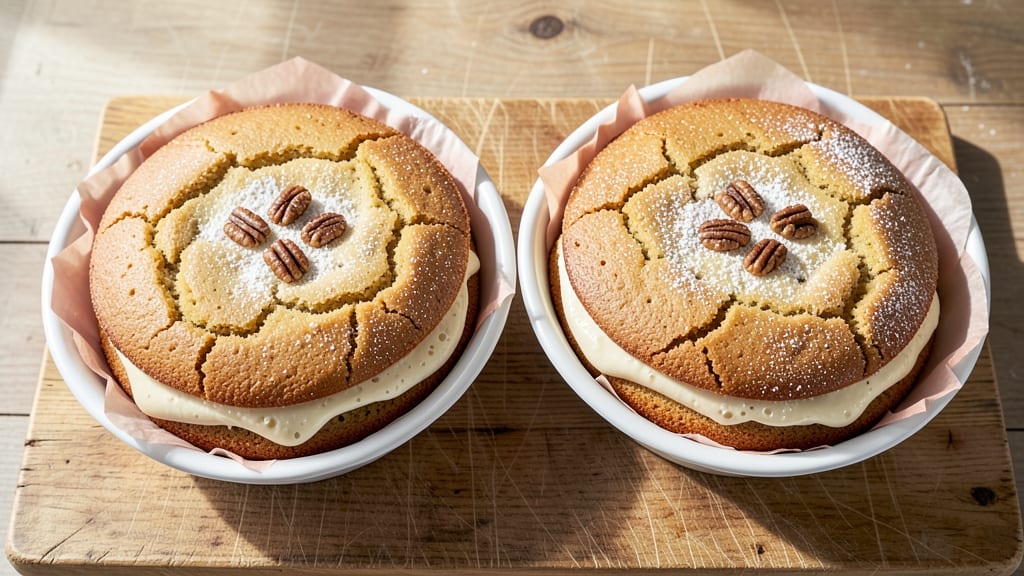
Recreating that nostalgic Hostess cake experience at home is easier than you think, and this vanilla swirl recipe with classic cream cheese frosting delivers every bite.
The secret lies in a precise layering technique that creates those signature swirls while keeping the texture tender yet sturdy enough to hold the frosting. I've perfected this method after years of testing, ensuring the cake stays moist and the frosting stays perfectly spreadable—just like the original.
What makes this recipe work is the balance of ingredients: a simple vanilla cake batter with just the right amount of leavening for a tender crumb, paired with a smooth cream cheese frosting that's sweet but not overpowering.
The key steps—folding the batter gently to create those signature swirls and baking at the correct temperature—ensure professional results every time. This isn't just a cake; it's a trip down memory lane with a modern twist.
The final product is a cake with layers of fluffy vanilla cake separated by creamy cream cheese frosting, all topped with a final swirl of frosting for that classic look. Each slice delivers the perfect balance of sweetness and tang, with a texture that's light yet satisfying.
Whether you're baking for a party or just craving a taste of nostalgia, this recipe is foolproof and always impressive.
Ready to bake? This recipe includes all the details you need for success, from precise oven temperatures to assembly techniques that guarantee those iconic swirls. Let's get started on creating your own homemade Hostess-style cake that'll have everyone asking for seconds.
Ingredients for hostess cake
The essential ingredients for recreating that nostalgic Hostess cake experience at home.
| Ingredient | Amount | Notes |
|---|---|---|
| All-Purpose Flour 🌾 | 3 cups | Sifted for light texture |
| Granulated Sugar 🍚 | 2 cups | Divided for batter and frosting |
| Unsalted Butter 🧈 | 1 cup | Room temperature, salted works too |
| Large Eggs 🥚 | 4 whole | Room temperature for even mixing |
| Milk 🥛 | 1 cup | Room temperature, any variety |
| Baking Powder 🍞 | 2 tsp | Freshly opened for best rise |
| Vanilla Extract 🌿 | 2 tsp | Pure, high-quality preferred |
| Salt 🧂 | ½ tsp | Fine sea salt preferred |
| Cream Cheese 🧀 | 16 oz | Full-fat, room temperature |
| Powdered Sugar 🍚 | 4 cups | Sifted for smooth frosting |
| Heavy Whipping Cream 🥛 | 1 cup | Cold for whipping stability |
| Lemon Juice 🍋 | 1 tbsp | Freshly squeezed for tang |
The flour and butter form the foundation of this cake. King Arthur or Gold Medal flours work best for their protein balance, but any all-purpose flour will do. The butter should be room temperature—press it gently, and it should leave a slight indentation. For the cream cheese frosting, Philadelphia brand is my go-to, but any full-fat cream cheese will work. The powdered sugar needs to be sifted to avoid lumps in the frosting, and using Domino brand ensures consistent quality. Eggs should be at room temperature for even mixing, and milk should be room temperature to avoid curdling in the batter.
No vanilla extract? Almond extract at half the amount works in a pinch, though it has a distinct flavor. Running short on powdered sugar? Granulated sugar whipped with heavy cream can substitute, though the texture won't be as light. For the frosting, Greek yogurt mixed with powdered sugar can replace cream cheese, though the tang will be more pronounced. The lemon juice brightens the frosting—if you're out, a pinch of citric acid or a splash of bottled lemon juice will do. For the cake batter, baking soda plus an extra pinch of salt can replace baking powder if needed, but the texture may vary slightly.
Store the dry ingredients—flour, sugar, baking powder—in airtight containers for up to 6 months. Butter and cream cheese should be refrigerated and used within 3 months of opening. The frosting keeps for 5 days in the fridge, but the cake itself is best eaten within 3 days for optimal texture. To prep ahead, bake the cake layers and freeze them unwrapped for up to 2 months. Assemble the cake with frosting when ready to serve—this ensures the frosting stays perfectly spreadable.
Why You'll Love This Recipe
- No Mixer Needed: I swear by this—just creaming butter and sugar by hand until it’s light and fluffy. No electric mixer, no fuss, just elbow grease that actually pays off with that perfect crumb.
- Buttery Sweet Magic: That butter-to-flour ratio? It’s the secret. Rich but not greasy, with just enough sugar to make every bite feel like a little treat without being overpowering.
- Party in a Box: Slice it for a potluck, stack it for a breakfast buffet, or serve it at room temp for a picnic. It holds up perfectly—no reheating required, just pure satisfaction.
- Pantry Staple Power: Five ingredients, zero specialty items. If you’ve got flour, sugar, butter, eggs, and milk, you’ve got a cake that’s ready in under an hour—and costs less than takeout.
Step-by-step instructions for homemade vanilla swirl cake
Here's the method for creating that iconic Hostess-style cake with perfect swirls and velvety frosting.
Prepare the Cake Batter
Preheat your oven to 350°F and grease two 9-inch round cake pans, lining the bottoms with parchment paper. In a large mixing bowl, combine the 3 cups all-purpose flour, 2 teaspoons baking powder, and 0.5 teaspoon salt. Whisk to remove any lumps from the flour.
In a separate large bowl, cream together the 1 cup unsalted butter and 1 cup granulated sugar using an electric mixer on medium speed until light and fluffy, about 3-4 minutes. This step is crucial for creating air pockets that make the cake tender. Add the 4 whole large eggs, one at a time, mixing well after each addition. The mixture should become thick and pale.
Gradually add the 1 cup milk and 2 teaspoons vanilla extract, mixing until just combined. With the mixer on low speed, slowly add the dry ingredients to the wet mixture, mixing only until the flour is incorporated. Avoid overmixing, which can result in a dense cake. Divide the batter evenly between the prepared cake pans.
Bake and Create the Swirl Pattern
Bake the cakes in the preheated oven for 25-30 minutes, or until a toothpick inserted into the center comes out clean. While the cakes are baking, prepare the swirl filling by combining 1 cup granulated sugar with 1 tablespoon lemon juice in a small bowl. This mixture will create the signature swirl pattern.
As soon as the cakes are done, remove them from the oven and immediately pour the sugar-lemon juice mixture evenly over the surface of one of the cakes. Quickly tilt the pan back and forth to distribute the mixture evenly. Using a long knife or offset spatula, gently swirl the liquid through the cake batter, creating a marbled effect. Repeat with the second cake.
Let the cakes cool in their pans for 10 minutes, then transfer them to a wire rack to cool completely. This cooling step is essential for preventing the frosting from melting when applied to warm cakes.
Make the Cream Cheese Frosting
In a medium bowl, beat the 16 oz cream cheese with an electric mixer until smooth and creamy, about 2-3 minutes. Gradually add the 4 cups powdered sugar, mixing on low speed until combined. Increase the speed to medium and beat for 2-3 minutes until light and fluffy.
Add the 1 cup heavy whipping cream and mix until fully incorporated. Finally, add the remaining 1 teaspoon vanilla extract and mix until smooth. The frosting should be thick but spreadable. If it's too thick, add 1-2 tablespoons milk to reach the desired consistency.
Spread a thin layer of frosting over the cooled cake layers to act as a glue. Place the second cake layer on top and frost the entire cake with the remaining frosting, using a spatula to create smooth sides. Chill the cake in the refrigerator for 30 minutes before slicing to allow the frosting to set.
Final Touches and Serving
Once the frosting has set, use a serrated knife to trim any uneven edges for a clean finish. This step ensures a polished look that's perfect for serving. The cake can be stored in an airtight container in the refrigerator for up to 5 days or at room temperature for up to 3 days. For the best texture, bring it to room temperature before serving.
Slice the cake into 8 equal pieces using a warm knife for clean cuts. Each slice should showcase the beautiful swirl pattern throughout the cake, with a creamy, tangy frosting that complements the vanilla flavor perfectly. Serve immediately for the best experience, as the frosting softens slightly at room temperature.
Pro Tips For Making Hostess Cake
- MEASURE BUTTER COLD: Take the butter straight from the fridge—no softening needed. I learned this the hard way after greasing pans with warm butter and ending up with a greasy, uneven cake. Cold butter creates those perfect flaky layers, and it won’t melt into a mess when you mix it with the flour.
- WHISK EGGS ROOM TEMP: Let those eggs sit out for 10-15 minutes before cracking them into the bowl. Cold eggs can make the batter gummy, and this cake needs to be tender. I was skeptical until I tried it—now I never skip this step.
- DON’T OVERMIX THE BATTER: Mix just until the flour disappears—no more. Overworking the batter makes hostess cake dense and tough. I used to crank the mixer until it looked smooth, but now I stop as soon as it’s just combined. Less effort, better texture.
- CHILL THE BATTER 30 MINS: Give the batter a break before baking—yes, even if you’re impatient. Chilling relaxes the gluten, so the cake rises evenly and doesn’t sink in the middle. I skip this when I’m rushed, and the results are noticeably worse. (Your future self will thank you.)
Perfect pairings for these flavors
Classic Pairing Ideas
Serve your Hostess-style cake with a warm cup of chocolate milk—the creamy sweetness of the milk complements the tangy frosting beautifully. I recommend using Hershey's Milk Chocolate for that nostalgic flavor.
For a grown-up twist, pair with espresso or chai tea to cut through the richness while enhancing the vanilla notes. 🥛
Fruit Companions
Fresh strawberries or raspberries add a vibrant contrast to the cake's pale frosting. I like to arrange them on a platter with the cake for a visually stunning dessert table.
For a tropical vibe, try pineapple slices or mango chunks—their acidity balances the sweetness perfectly. A sprinkle of toasted coconut flakes adds an extra crunch.
Coffee & Cream Pairings
A shot of vanilla latte or cappuccino elevates the cake experience, especially if you're serving it as a dessert after dinner. For a lighter option, try coconut milk coffee—the subtle coconut flavor pairs wonderfully with the vanilla cake.
If you prefer beer, a light lager like Miller Lite or Corona cleanses the palate without overpowering the dessert. 🍺
Seasonal Twists
In summer, serve the cake with whipped cream and a drizzle of caramel sauce for a decadent treat. For winter, pair it with spiced cider or mulled wine—the warm spices complement the cake's vanilla and cream cheese flavors.
A sprinkle of cinnamon on top adds warmth and depth. ✨
Garnish & Presentation
For an elegant touch, dust the cake with powdered sugar before serving or garnish with edible gold leaf for special occasions. I also love adding crushed graham crackers around the base for texture contrast. A few sprigs of fresh mint add a pop of color and freshness to the presentation.
Make-Ahead Serving
If you're prepping ahead, store the frosted cake in an airtight container in the fridge for up to 3 days. Bring it to room temperature before serving, and pair it with chilled sparkling lemonade for a refreshing contrast.
For a party, serve with mini vanilla ice cream scoops on the side for guests to add to their slices. 💫
Nutrition facts
Frequently asked questions
Why does the Hostess cake recipe use sugar-lemon juice for swirls instead of food coloring?
This method creates a natural marbled effect without artificial dyes. The sugar-lemon mixture caramelizes slightly when baked, giving the swirls a subtle golden hue and delicious flavor. Plus, it's easier to control than food coloring, which can bleed into the batter.
Can I make this cake in a different pan size?
Yes, but adjust baking time accordingly. For 8-inch pans, bake 20-25 minutes instead of 25-30 minutes. If using loaf pans, reduce sugar in the swirl mixture by 2 tablespoons and bake 50-55 minutes. Always check doneness with a toothpick.
How do I fix cracked frosting on my cake?
Gently warm the frosting with a hairdryer on low heat for 10-15 seconds to soften it, then smooth with a spatula. For a quick fix, cover cracks with extra frosting and use a comb tool to create decorative lines. Chill the cake for 15 minutes before serving to help the frosting set properly.
What's the secret to keeping the cake moist for more than 2 days?
Wrap the frosted cake tightly in plastic wrap and store it in an airtight container in the fridge. Brush the cake layers with simple syrup (1/4 cup sugar + 2 tbsp water, heated and cooled) before assembling. This adds moisture that lasts up to 5 days without drying out.
Can I substitute cream cheese frosting with something else?
For a lighter option, try vanilla buttercream (mix 1 cup softened butter, 4 cups powdered sugar, and 2 tbsp milk). For a tangy alternative, use ricotta cheese frosting (blend 16 oz ricotta, 1 cup powdered sugar, and 1 tsp vanilla). Both work but won't have the same rich creaminess.