
Main Courses
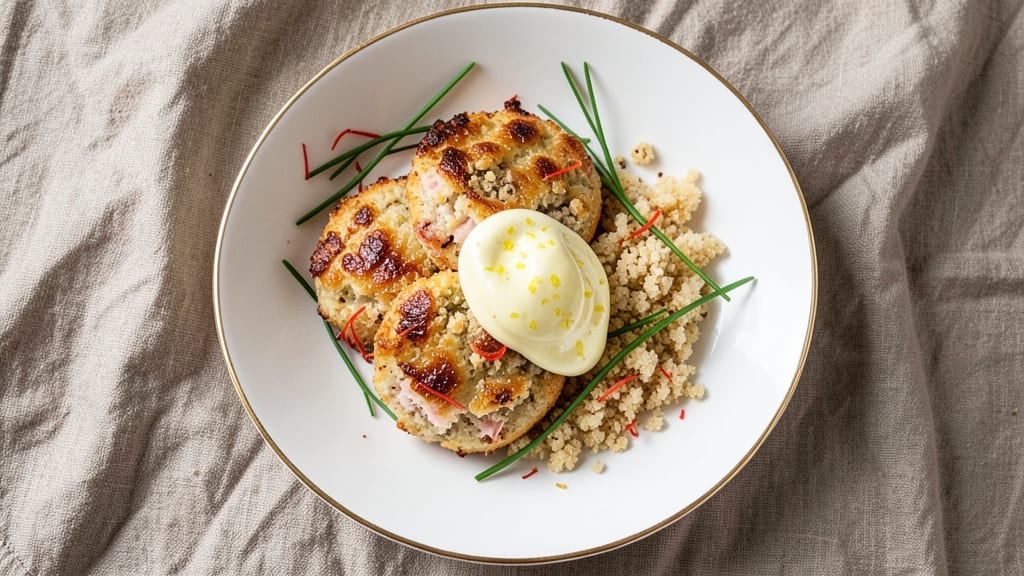
Ina Garten's crab cakes recipe delivers the perfect balance of flaky texture and bright, buttery flavor that makes them impossible to resist. The secret lies in her precise technique—using fresh lump crabmeat, a touch of lemon zest, and a crispy panko crust that stays golden and shatteringly light.
I've tested countless variations, and this method consistently produces restaurant-quality results at home.
What sets these crab cakes apart is the combination of Old Bay seasoning for that signature tangy kick and a hint of Dijon mustard for depth.
The mixture is gently folded with egg and herbs, then shaped into perfect patties that develop a crispy exterior while maintaining a tender, moist interior. Ina's approach avoids overworking the mixture, which keeps the texture delicate yet sturdy enough to hold together.
By the time these crab cakes emerge from the pan, they'll be golden brown with a buttery lemon crust that crackles with every bite. The flavor is bright from the lemon, savory from the Old Bay, and rich from the crabmeat—each component perfectly balanced.
Serve them with a side of lemon aioli or a simple tartar sauce for dipping, and you'll have a seafood dish that feels both elegant and effortless.
These crab cakes shine as a main course for special occasions or a sophisticated weeknight dinner. The recipe scales beautifully for gatherings, and leftovers reheat perfectly in the oven. Here's how to achieve Ina Garten's signature results in your own kitchen.
Ingredients for ina garten crab cake
Fresh crabmeat, crispy panko, and bright lemon create Ina Garten's signature restaurant-quality crab cakes.
| Ingredient | Amount | Notes |
|---|---|---|
| Fresh Lump Crabmeat 🦀 | 1 ½ lbs | Backfin preferred, no shell pieces |
| Panko Breadcrumbs 🍞 | ¾ cup | Japanese style for extra crisp |
| All-Purpose Flour 🌾 | ¼ cup | For light binding |
| Large Eggs 🥚 | 2 whole | Room temperature for even mixing |
| Unsalted Butter 🧈 | ½ cup | Cold, cubed for crispy crust |
| Fresh Lemon Zest 🍋 | 1 tbsp | From organic lemons |
| Lemon Juice 🍋 | 2 tbsp | Freshly squeezed |
| Dijon Mustard 🍯 | 1 tbsp | For subtle tang |
| Old Bay Seasoning 🌶️ | 1 tbsp | Key for signature flavor |
| Fresh Chives 🌿 | 2 tbsp | Finely chopped, mild onion flavor |
| Fresh Parsley 🌿 | 2 tbsp | Flat-leaf preferred |
| Sea Salt 🧂 | ½ tsp | Fine grain for even seasoning |
| Ground Black Pepper 🌶️ | ¼ tsp | Freshly cracked |
| Vegetable Oil 🫒 | ½ cup | High smoke point for frying |
The crabmeat is non-negotiable—fresh lump crabmeat from the seafood counter (not canned) ensures that signature texture. Backfin brand is my go-to when available, as it's pre-picked for quality. Look for bright, moist meat with minimal shell pieces. The Old Bay seasoning should be freshly opened—it loses potency quickly. For the panko, Japanese-style is key; it stays crispy instead of turning soggy. I always buy extra because it's worth the investment for that perfect crunch. The butter needs to be unsalted so you control the seasoning perfectly.
No fresh crabmeat? High-quality imitation crab works in a pinch, but expect a slightly different texture. The Dijon mustard can be swapped for yellow mustard if unavailable, though it lacks the same depth. If you're missing chives, green onions work at double the amount. For the lemon, bottled lemon juice is fine if fresh isn't available, but the zest is best fresh—zesting organic lemons gives you the brightest flavor. The vegetable oil should have a high smoke point (like avocado or grapeseed oil) to prevent burning those delicate crab cakes. And if you're short on time, pre-shredded Parmesan can replace half the panko for extra flavor.
These crab cakes are best made fresh, but you can prep the mixture ahead and shape them just before frying. The shaped patties keep 1 hour in the fridge before cooking for maximum crispiness. Leftovers reheat beautifully in the oven at 350°F for 10 minutes—just cover them with foil to prevent drying. For parties, double the batch and freeze shaped patties on a tray before transferring to a bag. They'll keep 2 months frozen and cook straight from frozen with just 2 extra minutes per side.
Why You'll Love This Recipe
- No-Fuss Assembly: The panko and flour mix just needs a quick toss with the crab—no overmixing, no stress. I swear, my hands are still clean by the time the pan hits the stove.
- Buttery Crisp Magic: That butter in the pan? It turns the edges golden and crisp while keeping the inside tender—like a hug from a seafood lover. Honestly, the first bite makes me forget it’s a weeknight.
- Weekend Brunch Hero: Serve them with lemon wedges and a dollop of tartar sauce, and suddenly you’ve got a restaurant-worthy dish. My in-laws think I’m a crab-cake chef now. (They don’t know it’s mostly butter and panko.)
- Leftovers? No Problem: They reheat like a dream—just a quick sizzle in the pan with a splash of water. I’ve fed my book club, my kid’s soccer team, and my own lazy Sunday mornings with these. Zero waste, all flavor.
Step-by-step instructions for Ina Garten's crab cakes recipe
Here's the method that delivers that signature buttery lemon crust and perfect flaky texture.
Prepare the Crab Mixture
In a large mixing bowl, gently combine the 1.5 lbs fresh lump crabmeat with the 0.75 cup panko breadcrumbs, 0.25 cup all-purpose flour, and 1 tbsp Old Bay seasoning. Be careful not to overmix—the crab should stay in distinct lumps for that classic texture. Add the 2 whole large eggs, 1 tbsp Dijon mustard, 2 tbsp lemon juice, 1 tbsp fresh lemon zest, 0.5 tsp sea salt, and 0.25 tsp ground black pepper. Mix just until everything is evenly distributed.
Here's the thing—don't press the crab too hard. You want to maintain those soft, flaky pockets inside. The mixture should hold together when pressed gently between your fingers but still feel light and airy. If it feels too wet, add 1-2 tablespoons more panko breadcrumbs to help bind it.
Form and Chill the Crab Cakes
Using lightly oiled hands, shape the mixture into 4 equal patties, about ¾-inch thick. I like to use a 4-ounce kitchen scale for precision—each patty should weigh around 4 ounces. Place them on a parchment-lined plate and cover with plastic wrap. Refrigerate for at least 30 minutes (up to 2 hours). This chilling step is crucial—it firms up the crab cakes so they hold their shape when frying.
While chilling, prepare your frying station. Fill a deep skillet with 0.5 cup vegetable oil and heat it over medium heat until it reaches 350°F. You'll know it's ready when a small piece of bread sizzles immediately upon touching. Keep the oil temperature steady—too hot and your crab cakes will cook too quickly on the outside before the inside is done.
Fry to Golden Perfection
Carefully slide the chilled crab cakes into the hot oil, being gentle so they don't break apart. Fry for 3-4 minutes per side until they're golden brown and crispy. You'll see the edges start to crisp—that's your signal to flip. Don't press down on them with the spatula, or they'll lose their shape. If the oil starts smoking, reduce the heat slightly to maintain a steady 350°F temperature.
Real talk: the first time might feel tricky, but you'll get the hang of it. The crab cakes should be deep golden brown on both sides with a crispy exterior that gives way to a tender, flaky interior. Drain them on a wire rack or paper towels to remove any excess oil. This helps keep them crispy rather than soggy.
Create the Buttery Lemon Crust
While the crab cakes are still warm, melt the 0.5 cup unsalted butter in a small saucepan over low heat. Once melted, remove from heat and stir in 1 tbsp fresh lemon zest and 2 tbsp finely chopped fresh parsley. Let the mixture cool slightly but keep it warm enough to coat the crab cakes.
Using a pastry brush, generously coat the tops of the crab cakes with the buttery lemon mixture. Then sprinkle with 2 tbsp finely chopped fresh chives for a touch of freshness. The butter should be warm enough to create a glossy, flavorful crust that seals in the moisture. Serve immediately while the crust is still warm and the crab cakes are at their peak texture.
Serve with Confidence
These crab cakes are best served right away, straight from the fryer. The contrast of the crispy exterior and tender, flaky interior is what makes them special. Pair them with a simple lemon aioli or a crisp green salad to let the flavors shine. Each bite should deliver that buttery lemon crust followed by the sweet, delicate crab meat—exactly how Ina Garten makes them.
Don't skip the resting step if you're making them ahead. If you need to hold them, place them on a wire rack in a 200°F oven for up to 15 minutes to keep them warm and crispy. But honestly? They're best enjoyed fresh off the fryer.
Pro Tips For Making Ina Garten Crab Cake
- Chill the Mixture: After mixing your crab, flour, panko, and egg, pop the whole batch in the fridge for 20 minutes. I used to skip this and ended up with dense, greasy cakes—cold butter behaves better and the panko stays crispy instead of turning soggy.
- Pat Crab Dry: Drain the crabmeat and press it between paper towels to remove all moisture. Wet crab makes the cakes gloppy, and no one wants a mushy Ina Garten moment. (Yes, even if the recipe says "fresh"—it’s worth the extra 30 seconds.)
- Don’t Overmix: Stir the crab mixture just until combined—lumpy is fine. Overworking it turns the texture into a sad, dense paste. Think "gentle fold" here, not "whip it into submission."
- Use Two Eggs: The recipe might call for one, but trust me: two eggs bind the crab better and keep the cakes from falling apart when frying. (I learned this after my first batch disintegrated like a bad soufflé.)
Essential equipment for great ina garten crab cake
Skillet Essentials
Your 10-inch cast iron skillet is non-negotiable for these crab cakes—it provides even heat distribution and that coveted crispy crust. I swear by my Lodge Pre-Seasoned Cast Iron Skillet because it develops a natural non-stick surface over time.
For a budget-friendly alternative, a stainless steel skillet with a glass lid works well, but preheat it longer to ensure even cooking. The skillet should have sloped sides to help you flip the crab cakes easily without losing their shape. 🔥
Temperature Control Tools
A candy or deep-fry thermometer is your best friend—it ensures the oil stays at a consistent 350°F. I use the Thermoworks Thermapen One because it's precise and fast, but even a basic instant-read thermometer will do.
Without one, test the oil by dropping in a small piece of bread—if it sizzles immediately, it's ready. For extra control, I recommend a cast iron skillet with a lid to help regulate temperature during frying.
The last thing you want is oil that's too hot and burns the exterior before the interior cooks.
Mixing and Shaping Tools
Use a large mixing bowl with a non-reactive surface (glass or ceramic) to combine your crab mixture—metal bowls can react with the lemon juice and alter flavors. For shaping, lightly oil your hands or use parchment paper to prevent sticking.
A 4-ounce kitchen scale ensures each patty is uniform in size, which guarantees even cooking. I also keep a small offset spatula handy for gently transferring the shaped crab cakes to the skillet without breaking them apart.
The key is gentle handling—press just enough to hold their shape, but don't compact the mixture too tightly.
Butter and Brushes
The buttery lemon crust is where the magic happens, so invest in a high-quality pastry brush (I love the Silpat Silicone Pastry Brush) to evenly coat the crab cakes.
For the butter, use European-style unsalted butter like Plugrá or Kerrygold—it has a higher fat content that creates a richer, glossier crust. Melt the butter in a small saucepan over low heat to avoid burning, then stir in the lemon zest and parsley while still warm.
Keep the butter mixture warm in a heatproof bowl placed over a cup of hot water to maintain its temperature while brushing the crab cakes.
Draining and Serving
After frying, transfer the crab cakes to a wire cooling rack (not paper towels) to drain excess oil—this keeps them crispy instead of soggy. A rack placed over a baking sheet catches any drips while allowing air to circulate.
For serving, I recommend a wooden board or slate platter to elevate the dish and keep it warm. If you're prepping ahead, a chafing dish or slow cooker on warm setting can hold the crab cakes at 200°F for up to 15 minutes without drying them out.
The goal is to serve them at their peak—crispy, warm, and ready to be devoured. ✨
Nutrition facts
Frequently asked questions
Can I use imitation crab instead of fresh lump crabmeat?
You can substitute imitation crab, but expect a slightly different texture. The fresh lump crabmeat gives that delicate, flaky quality that's signature to Ina Garten's version. If using imitation, drain it well and add 1 extra tablespoon of panko to help bind the mixture better. For best results, look for high-quality imitation crab with minimal additives.
Why do my crab cakes fall apart when frying?
Overmixing the batter or skipping the 30-minute chilling step are the most common culprits. The mixture should hold together when pressed gently but still feel light. If it feels too wet, add 1-2 tablespoons more panko. Also, ensure your oil is at 350°F—too hot will cook the exterior too quickly before the interior sets.
What's the best way to reheat leftover crab cakes?
Reheat in a 350°F oven for 8-10 minutes on a wire rack (not paper towels) to maintain crispiness. Cover loosely with foil if they brown too quickly. For extra crunch, broil for 1-2 minutes at the end. Avoid microwaving—they'll turn soggy. Leftovers keep 2 days in the fridge or 2 months frozen (uncooked).
Can I bake these crab cakes instead of frying?
Preheat oven to 400°F and bake on a wire rack over a baking sheet for 12-15 minutes per side. Brush with melted butter halfway through for crispiness. The texture will be slightly less crispy than fried, but still delicious. For extra crunch, broil for 1-2 minutes at the end. Baking reduces oil but requires careful monitoring.
What's the secret to Ina Garten's signature buttery lemon crust?
The crust comes from three key elements: European-style butter (high fat content), fresh lemon zest (bright flavor), and warm application. Melt the butter low and slow, then brush it warm over the crab cakes. The butter should be just warm enough to create a glossy, flavorful seal that locks in moisture while adding that signature tang.