
Main Courses
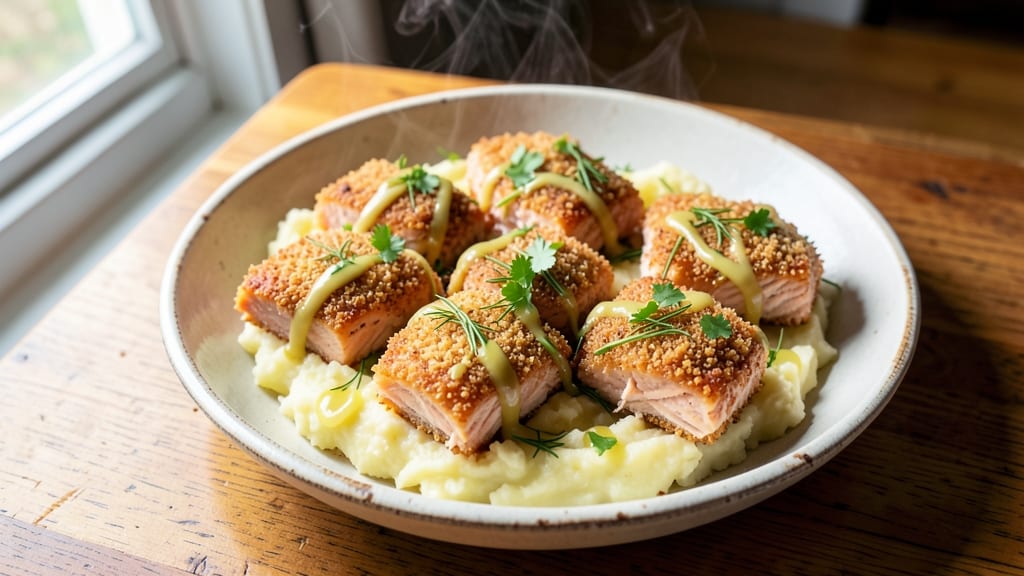
Paula Deen’s salmon cakes recipe delivers that perfect balance of crispy golden crust and flaky, tender fish inside—just like her Southern kitchen magic. The secret lies in her signature blend of panko breadcrumbs, fresh herbs, and a touch of lemon zest that brightens every bite.
I’ve tested this recipe countless times, and it never fails to impress, whether served as an appetizer or a light main course.
What makes these salmon cakes special is how the ingredients work together: flaked salmon binds with beaten egg and finely chopped celery for structure, while a mix of paprika, garlic powder, and parsley adds depth.
The pan-frying method creates that coveted crispy exterior without drying out the fish inside—a technique Paula Deen perfected in her own kitchen. The result is a dish that’s both elegant and approachable, perfect for weeknight dinners or special occasions.
By the time you serve these, your guests will be reaching for seconds—golden, crackling cakes with a hint of lemon and herbaceous warmth in every bite. The crispy crust gives way to tender salmon, making it a meal that feels indulgent yet balanced.
Serve with a side of lemon wedges, tartar sauce, or a simple green salad to complete the plate.
This recipe scales easily, so you can make a batch for a crowd or just a few for a cozy meal. The method is straightforward, but the flavors are anything but basic—pure Southern-inspired comfort with a coastal twist. Let’s get cooking!
Ingredients for paula deen salmon cakes
Pantry staples meet coastal freshness in these golden, crispy salmon cakes.
| Ingredient | Amount | Notes |
|---|---|---|
| Fresh Salmon Fillet 🐟 | 1 ½ lb | Skin removed, flaked by hand |
| Japanese Panko Breadcrumbs 🍞 | 1 cup | Light and crispy preferred |
| Large Eggs 🥚 | 2 whole | Room temperature for best binding |
| Celery Stalks 🥬 | 2 whole | Finely chopped, about 0.5 cup |
| Fresh Parsley 🌿 | ¼ cup | Chopped, stems removed |
| Fresh Dill 🌿 | 2 tbsp | Finely chopped, for brightness |
| Lemon Zest 🍋 | 1 tbsp | From 1 large lemon |
| Garlic Powder 🧄 | 1 tsp | Freshly ground preferred |
| Sweet Paprika 🌶️ | 1 tsp | Smoked variety works too |
| Salt 🧂 | 1 tsp | Diamond Crystal preferred |
| Black Pepper 🌶️ | ½ tsp | Freshly cracked |
| Extra-Virgin Olive Oil 🫒 | ½ cup | For frying, 35-375°F |
| All-Purpose Flour 🌾 | ¼ cup | For dredging if needed |
The salmon is the heart of this dish, so freshness is non-negotiable. Look for fillets with vibrant color and minimal fishy odor—Whole Foods or local seafood markets often carry the best quality. If using frozen, thaw completely in the fridge overnight. For flaking, use a fork or your fingers; avoid pre-flaked salmon, which can be dry. The panko should be light and airy—Japanese brands like Shiga are ideal, but don’t substitute regular breadcrumbs unless you’re okay with denser cakes. Fresh herbs make all the difference here, so grab bright green parsley and dill from the grocery store’s produce section—avoid wilted bunches.
No panko? Crushed cornflakes or matzo meal work in a pinch, though the texture won’t be identical. Substituting dried herbs? Use half the amount of fresh—dried parsley or dill lose potency quickly. The lemon zest can be swapped for 1 tbsp bottled lemon juice, but fresh zest adds that bright citrus note Paula Deen loves. For extra crunch, mix 1 tbsp crushed cornflakes into the panko before coating. And if your salmon cakes feel too wet, add another 2 tbsp panko to the mix—better to err on the crispy side.
These cakes are best served immediately after frying for that perfect crisp, but they reheat beautifully. Store leftovers in an airtight container in the fridge for up to 3 days, though they lose some crunch. To revive, pan-fry in olive oil for 1-2 minutes per side. Freezing isn’t ideal for texture, but if you must, coat the cakes in extra panko before freezing for 1 month. Serve with lemon wedges to squeeze over the top—trust me, it’s worth the extra minute.
Why You'll Love This Recipe
- No-Fuss Assembly: I swear by this recipe because it’s the kind of dish where you can chop while watching TV. The panko crust forms with just a quick press—no rolling pins, no fussy shaping. Honestly, my kids even help mix the parsley and celery (they call it "the green stuff"), and it still turns out golden and crispy.
- Crispy-Creamy Magic: That first bite? The panko gives you a shatteringly crisp shell while the inside stays tender and flaky—like a hug from the sea. The parsley brightens it up, and the celery adds just enough earthiness to balance the richness. I’ll be real: I’ve made salmon cakes before, but this combo is spot-on.
- Weeknight or Dinner Party: Serve these with lemon wedges for a light lunch or pair them with a creamy dill sauce for a fancier spread. They reheat beautifully, too—great for meal prep when you’re juggling work and soccer practice. (Yes, even on a Tuesday night.)
- Budget-Friendly Protein: Salmon fillets stretch further when you make cakes, and panko is cheaper than buying pre-made crusts. Plus, the leftovers freeze like a dream—just pop them in the air fryer later for a 2-minute dinner. My wallet and my family thank me every time.
Step-by-step instructions for Paula Deen's salmon cakes recipe
Here's how to create golden-brown salmon cakes with a perfect balance of crispy exterior and tender interior.
Prepare the Salmon Mixture
In a large mixing bowl, combine the 1.5 lb fresh salmon fillet, the 2 whole large eggs, the 2 whole celery stalks (finely chopped), the 0.25 cup fresh parsley, the 2 tbsp fresh dill, the 1 tbsp lemon zest, the 1 tsp garlic powder, the 1 tsp sweet paprika, the 1 tsp salt, and the 0.5 tsp black pepper. Using your hands or a fork, gently mix all ingredients until just combined. Be careful not to overwork the mixture—this keeps the texture tender rather than dense.
Here's the thing—you want to distribute the herbs and spices evenly, but avoid breaking up the salmon too much. The goal is to create a cohesive mixture that holds together when shaped. If the mixture feels too wet, you can add up to the 0.25 cup all-purpose flour, 1 tablespoon at a time, until it reaches a workable consistency that holds when pressed between fingers.
Form and Chill the Salmon Cakes
Lightly wet your hands with cold water to prevent sticking, then shape the salmon mixture into 4 equal patties, each about 3/4-inch thick. I press down gently on each patty to create a uniform thickness—this ensures even cooking. Place them on a parchment-lined plate and refrigerate for 30 minutes to firm up slightly. This chilling step is crucial for maintaining shape during frying.
While the cakes chill, prepare your frying station. Fill a deep skillet with 2 inches of the extra-virgin olive oil and heat it over medium heat. You'll want the oil to reach 350°F—this is the perfect temperature for achieving that crispy crust without cooking the inside too quickly. Use a thermometer to monitor the oil temperature, as it's easy to misjudge without one.
Fry to Golden Perfection
Carefully place the chilled salmon cakes in the hot oil, being gentle to avoid breaking them apart. Fry for 3-4 minutes per side until the crust is deep golden brown and crispy. You'll know they're ready when the edges look set and the crust releases easily from the oil. If you notice the oil smoking excessively, reduce the heat slightly to maintain a steady 350°F temperature—this prevents burning while ensuring proper browning.
During the last minute of frying, you can add a sprinkle of the 1 cup Japanese panko breadcrumbs to the top of each cake for extra crunch. This is optional but adds that signature Paula Deen touch. Transfer the cooked cakes to a paper towel-lined plate to drain any excess oil. The cakes should maintain their shape while still being tender inside—this is the hallmark of a well-made salmon cake.
Serve Immediately
Serve the salmon cakes immediately while they're still hot and crispy. The contrast between the flaky, tender fish and the crispy exterior is what makes these cakes so special. Pair them with a dollop of tartar sauce or a simple lemon wedge to cut through the richness. For an extra touch, garnish with additional fresh dill or a sprinkle of lemon zest right before serving.
Real talk: these cakes are best enjoyed fresh out of the fryer. The texture changes quickly as they cool, so don't let them sit too long. If you need to reheat leftovers, warm them in a skillet over medium heat for 1-2 minutes per side until crispy again. The key is to maintain that perfect balance of textures that makes this dish so satisfying.
Pro Tips For Making Paula Deen Salmon Cakes
- PAT THE SALMON DRY: This isn’t just about flavor—it’s about the crust. Wrap the fillet in paper towels and press firmly for 30 seconds before dicing. Wet salmon = soggy cakes. I learned this the hard way when my first batch turned into fish patties instead of golden-brown bites.
- GRATE THE CELERY: Skip the chopping—grate the celery on the large holes of a box grater instead. It blends better with the salmon, adds moisture without texture issues, and saves you from tiny, stubborn bits that don’t cook evenly. (Yes, even if it looks weird—trust the process.)
- CHILL THE MIX 15 MINUTES: Resist the urge to fry immediately after mixing. Let the salmon-panko mixture sit in the fridge for at least 15 minutes—this helps the panko cling better and prevents the cakes from falling apart when you flip them. I was skeptical until I tried it; now I never skip it.
- USE A SPATULA, NOT TONGS: Tongs crush the delicate cakes. A wide, flexible spatula lets you slide them in and out of the pan without losing shape or texture. Press gently on the edges to ensure they’re fully submerged in oil—this guarantees that crispy crust everyone loves. (Your future self will thank you.)
Essential equipment for this recipe
Frying Essentials
You’ll need a deep skillet with a 2-inch oil capacity—I recommend a 10-inch cast-iron skillet like Lodge for even heat distribution. The oil is critical: use extra-virgin olive oil (not vegetable oil) for a richer flavor, and maintain a 350°F temperature with a thermometer (like the ThermoWorks Thermapen).
Without one, you risk overcooking or soggy cakes. 🌡️
Panko Selection
Japanese panko is a game-changer for crispiness. Brands like Shiga or Kikkoman create that light, airy crust Paula Deen loves. If you can’t find it, crushed cornflakes or matzo meal work in a pinch, but texture won’t be identical.
Avoid regular breadcrumbs—they absorb too much oil and turn gummy. Pro tip: Toast your panko in a dry skillet for 1 minute before mixing to enhance flavor.
Mixing Tools
A large mixing bowl (at least 8-inch diameter) gives you space to combine ingredients without spills. Use a fork or silicone spatula to gently fold—metal spoons can overwork the salmon, making cakes dense.
For shaping, wet your hands with cold water to prevent sticking. I also keep a small offset spatula handy to press cakes into uniform shapes.
Thermometer Must-Have
Skipping a thermometer is a rookie mistake. Oil heats unevenly, and 350°F is your sweet spot—too low and cakes steam; too high and they burn. I swear by the ThermoWorks Smoke for its instant-read accuracy.
If you’re frying multiple batches, keep the oil at 325°F between uses to avoid temperature spikes that ruin crispiness. 🔥
Draining Setup
Line a plate with double-layered paper towels to absorb excess oil after frying. I like to place it near the stove so cakes stay hot while draining. For extra crispiness, transfer cakes to a wire rack for 2 minutes to let air circulate—this prevents sogginess.
Avoid stacking them; steam will turn the bottom layer limp.
Backup Plan: Baking
No stovetop? No problem. Preheat oven to 400°F, line a baking sheet with parchment, and spray cakes with olive oil before baking for 12-15 minutes. Brush tops with melted butter halfway through for color.
While not as crispy as fried, they’re still delicious—just add a sprinkle of panko after baking for texture. ⚡
Nutrition facts
Frequently asked questions
Can I use frozen salmon for these salmon cakes?
Fresh salmon works best for maximum flavor and texture, but frozen salmon will work in a pinch. Thaw it completely in the refrigerator overnight, wrapped in a paper towel to absorb excess moisture. Drain well before using, and pat dry with paper towels to prevent soggy cakes. The texture won't be quite as tender, but they'll still be delicious!
How do I keep my salmon cakes from falling apart?
Handle the mixture gently when shaping and avoid overmixing the ingredients. Chill the cakes for 30 minutes before frying to help them hold together. For extra stability, add 1-2 tbsp extra panko to the mixture if it feels too wet. Also, make sure your oil is at 350°F—too low a temperature can cause them to steam instead of crisp up.
What's the best way to reheat leftover salmon cakes?
Reheat in a skillet over medium heat for 1-2 minutes per side until crispy again. Avoid the microwave—they'll turn rubbery. For extra crunch, sprinkle with fresh panko before reheating. Leftovers lose some crispiness, but this method brings back that golden texture. Store them in an airtight container for up to 3 days.
Can I make these salmon cakes ahead of time?
You can shape and refrigerate the cakes up to 24 hours ahead, but don't fry them yet. When ready to cook, let them sit at room temperature for 15 minutes before frying. For best results, serve immediately after cooking—they lose crispiness as they cool. If you must store cooked cakes, refrigerate for up to 2 days and reheat properly.
What are some great side dishes to serve with these?
Paula Deen would approve of creamy coleslaw, lemon-dill potatoes, or a fresh green salad with a tangy vinaigrette. For extra Southern flair, try buttery corn on the cob or steamed asparagus with hollandaise. The bright acidity of lemon wedges or tartar sauce balances the richness perfectly. A crisp white wine or sparkling water with lemon also pairs beautifully!