
Desserts
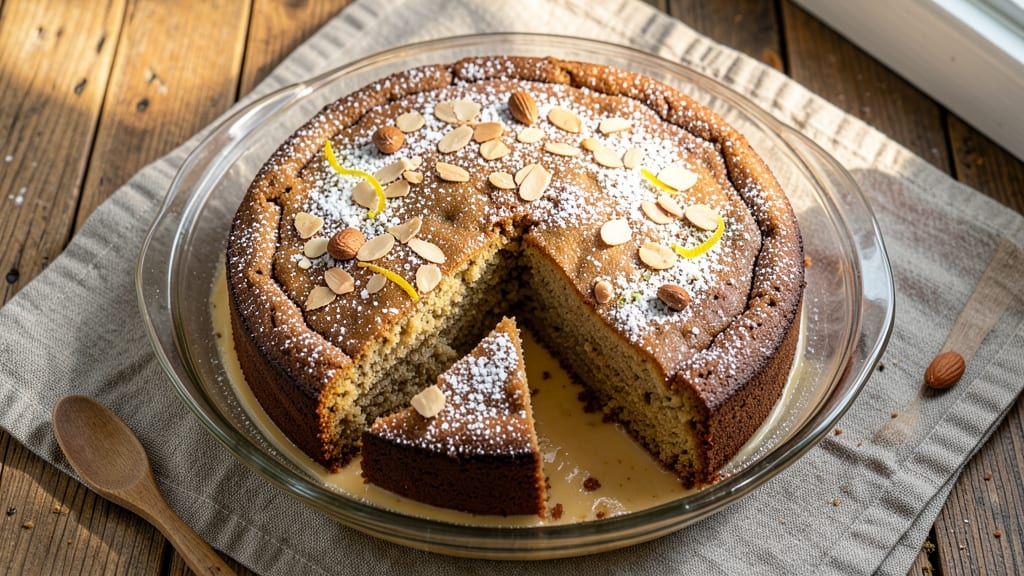
This almond flour birthday cake recipe delivers the perfect balance of moist layers and delicate texture without relying on gluten or excess grease. The secret lies in combining almond flour with a touch of coconut flour for structure while keeping the crumb tender and rich.
What makes this recipe stand out is its ability to satisfy dietary needs without sacrificing flavor or texture—ideal for guests with gluten sensitivities or those seeking a lighter dessert option.
The cake's foundation starts with a simple yet effective batter that incorporates almond milk and applesauce to enhance moisture without adding heaviness. Baking at 350°F for 25–30 minutes ensures even cooking, resulting in a golden, even top with a tender interior.
The frosting options—whether vegan buttercream or cream cheese—add a velvety finish that complements the cake's natural nuttiness.
What you’ll end up with is a plated dessert that’s as impressive as it is delicious: moist, lightly sweetened layers with a subtle almond flavor, topped with a smooth frosting that’s perfect for piping rosettes or spreading evenly.
This cake is designed to be the star of any birthday celebration, offering a healthier twist that doesn’t compromise on taste or presentation.
Pair it with fresh berries or a sprinkle of crushed nuts for added texture, and you’ve got a dessert that’s as beautiful as it is indulgent. Ready to bake a cake that’s as thoughtful as it is delicious? Let’s get started.
Ingredients for almond flour birthday cake
Eight ingredients transform into a gluten-free birthday cake that's moist, tender, and packed with almond flavor.
| Ingredient | Amount | Notes |
|---|---|---|
| Almond Flour 🥜 | 2 ½ cups | Finely ground, unsweetened preferred |
| Coconut Flour 🌾 | ¼ cup | Absorbs moisture, measure after sifting |
| Granulated Sugar 🍚 | 1 cup | Coconut sugar works for refined option |
| Unsweetened Almond Milk 🥛 | 1 cup | Vanilla extract optional for depth |
| Applesauce 🍎 | ½ cup | Unsweetened, adds moisture without grease |
| Large Eggs 🥚 | 4 whole | Room temperature for even baking |
| Vanilla Extract 🌿 | 1 tbsp | Pure extract for authentic flavor |
| Baking Powder 🍞 | 1 tsp | Aluminum-free preferred |
| Salt 🧂 | ½ tsp | Fine sea salt for balance |
| Vegan Butter 🧈 | ½ cup | Melted, for frosting base |
| Powdered Sugar 🍚 | 2 cups | Sifted for smooth frosting |
| Fresh Berries 🍓 | 1 ½ cups | Sliced strawberries or raspberries |
| Crushed Almonds 🥜 | ¼ cup | Toasted for garnish |
The almond flour is non-negotiable here—Bob's Red Mill or Anthony's Goods are my go-tos for consistency. Freshly ground almonds make all the difference in texture, but pre-ground works too if you're in a pinch. Coconut flour might be new to you, but trust me: measure it after sifting—it's dense. For the almond milk, Blue Diamond unsweetened is reliable, but any brand works. The applesauce keeps things light; don't use sweetened versions unless you want to adjust the sugar later. Eggs should be room temperature—cold eggs cause dense cakes.
No almond flour? Substitute with 2 cups oat flour, but the flavor will be different. Swap coconut flour for 1/4 cup more almond flour if you're avoiding it entirely. For a dairy-free option, use coconut oil instead of vegan butter in the frosting—just melt it first. Fresh berries can be frozen (thawed and drained), but fresh is always better. The crushed almonds? Toast them in a dry pan for 2 minutes—they add a nutty crunch that takes this cake to the next level. If you're short on time, skip the garnish entirely; the cake still tastes amazing.
This batter keeps for 3 days in the fridge—whisk before baking. The frosting? 2 days max unless you refrigerate it. For make-ahead convenience, bake the cake 1 day ahead and store wrapped at room temperature. The berries and almonds should go on fresh, though. If you're freezing, wrap tightly in plastic and thaw overnight in the fridge. The cake reheats beautifully—just 10 seconds in the microwave to soften the frosting.
Why You'll Love This Recipe
- No Mixer Needed: The dough comes together with just a fork and bowl—no standing over a mixer or scraping stubborn batter. Honestly, I’ve made it while chatting on the phone, and it still turns out moist and tender.
- Rich Without Overpowering: The almond flour gives it that buttery depth, while the applesauce keeps it light—no heavy grease or aftertaste. Between us, it’s the kind of cake that makes people ask, “What’s in this?” before guessing it’s gluten-free.
- Birthday or Brunch: Slice it for a celebration or pack it for a picnic—same cake, endless uses. I’ve even used the extra batter to make muffins (yes, really) when I forgot to bake it all at once.
- Leftovers That Last: It stays fresh for days, if you can resist eating it all. The coconut flour helps it hold up better than most flourless cakes, and I’ve reheated slices in the toaster for a crispy second life. Budget win, too—almond flour goes a long way.
Step-by-step instructions for almond flour birthday cake
Here's how to create a perfectly moist gluten-free cake that's light, tender, and full of flavor.
Prepare the Dry Ingredients
In a large mixing bowl, whisk together the 2.5 cups almond flour and 0.25 cup coconut flour until completely combined. Sift in the 1 cup granulated sugar, 1 tsp baking powder, and 0.5 tsp salt, then whisk again until no lumps remain. Coconut flour absorbs moisture differently than regular flour, so this step ensures even distribution and prevents dense layers.
I like to use a fine-mesh sieve for this part—it helps break up any clumps in the almond flour and creates a lighter texture. Set the dry mixture aside while you prepare the wet ingredients. The key to moist layers is balancing the dry components with just the right amount of liquid, and this is where we start.
Combine Wet Ingredients for Maximum Moisture
In a separate bowl, whisk together the 4 whole large eggs (at room temperature) and 1 cup unsweetened almond milk. Add the 0.5 cup applesauce, 1 tbsp vanilla extract, and 0.5 cup melted vegan butter, mixing until smooth and fully incorporated. The applesauce acts as a natural tenderizer, replacing traditional oils while keeping the cake wonderfully moist.
Here's the thing—room temperature eggs blend more easily and create a lighter batter. If your eggs are straight from the fridge, let them sit in warm water for 5 minutes before using. The melted butter should be just warm enough to coat the back of a spoon but not hot, as excess heat can cook the eggs prematurely.
Mix Wet and Dry Ingredients Gently
Gradually add the dry mixture to the wet ingredients while mixing on low speed with an electric mixer. Mix just until combined—about 30 seconds—being careful not to overmix. The batter should be thick but pourable, similar to a dense pancake batter. Overmixing develops gluten-like proteins in the almond flour, which can make the cake tough.
For best results, scrape down the sides of the bowl with a spatula to ensure all the almond flour is fully incorporated. The batter will be thicker than traditional cake batter, but that's exactly what we want for that perfect crumb structure. Let the batter rest for 10 minutes at room temperature while you prepare your baking pans.
Bake in Two Layers for Perfect Rise
Preheat your oven to 350°F and grease two 8-inch round cake pans lightly with vegan butter, then line the bottoms with parchment paper. Divide the batter evenly between the pans, spreading it out to the edges. Tap each pan gently on the counter to remove any air bubbles—this helps create smooth tops.
Bake for 25-30 minutes, or until a toothpick inserted into the center comes out clean. The edges should be golden brown, but the center should still look slightly underbaked—it continues cooking as it cools. I've found that almond flour cakes benefit from a slightly longer bake time than wheat flour cakes to ensure complete doneness.
Frost and Decorate with Fresh Berries
Once the cakes have cooled completely, prepare the frosting by beating the 0.5 cup melted vegan butter with 2 cups powdered sugar until smooth. Add 1 tbsp vanilla extract and a splash of unsweetened almond milk if needed to reach your desired consistency. Spread this between the two layers, then cover the entire cake with a final layer of frosting.
Gently press the 1.5 cups fresh berries into the sides of the cake for decoration, then sprinkle with the 0.25 cup crushed almonds for texture. The berries add natural sweetness and vibrant color, while the toasted almonds provide a delightful crunch. Serve immediately for the freshest taste, or refrigerate for up to 2 hours before serving to let the flavors meld.
Pro Tips For Making Almond Flour Birthday Cake
- Mix Dry Ingredients First: Coconut flour absorbs moisture like a sponge, so toss your almond flour, coconut flour, and sugar together before adding liquids—this prevents clumping and makes the batter smoother. I used to add the almond milk first and ended up with a gluey mess every time.
- Use Warm Applesauce: Warm the applesauce to room temperature (or slightly heated) before mixing—it blends into the batter more evenly and keeps the cake from turning out dense. Cold applesauce creates pockets that don’t integrate, and you’ll taste it in every bite.
- Don’t Overmix the Batter: Stop folding in the almond milk and applesauce as soon as the dry ingredients are just combined—overmixing adds air that collapses during baking, leaving you with a flat cake. A few lumps are fine; texture matters more than perfection here.
- Bake at 325°F, Not Higher: Almond flour burns easily, so 325°F is the sweet spot—any hotter, and you’ll end up with a cake that’s golden on top but raw inside. I learned this after one disastrous batch where the edges were charcoal while the center was still doughy.
Perfect pairings for this almond flour birthday cake
Fruit Toppings
Fresh berries are my go-to for topping this cake—they add natural sweetness and vibrant color that makes any celebration feel special. I recommend using 1.5 cups mixed berries like strawberries, raspberries, or blueberries, sliced just before serving to keep them plump.
For a tropical twist, try mango or pineapple chunks tossed with a squeeze of lime juice. The berries should be at room temperature when placed on the cake so they don't release excess moisture and make the frosting soggy. 🍓
Creamy Frosting Options
This cake pairs beautifully with vegan buttercream, but you can also use cream cheese frosting if you're not avoiding dairy. For a lighter option, try a lemon curd drizzle—just mix ½ cup lemon curd with 1 tbsp powdered sugar and drizzle over the cake before adding berries.
If you love chocolate, a thin layer of dark chocolate ganache made with ½ cup melted dark chocolate and 2 tbsp coconut cream adds a rich contrast to the almond flavor. 🍫
Nutty Garnishes
Toasted nuts elevate this cake by adding texture and depth. Beyond crushed almonds, try toasted pecans or walnuts for a different flavor profile. I like to toast them in a dry skillet over medium heat for 3-4 minutes until fragrant, then sprinkle over the frosting.
For a crunchy-sweet combo, mix 2 tbsp honey with ¼ cup chopped nuts and drizzle over the cake before adding berries. 🥜
Whipped Cream Pairing
If you're serving this cake at a buffet-style gathering, offer a side of lightly sweetened whipped cream for guests to add to their slices. Use 1 cup heavy whipping cream (or coconut cream for a vegan option) whipped with 1 tbsp powdered sugar and a pinch of vanilla.
The lightness of the whipped cream balances the richness of the almond cake beautifully. Serve in a small bowl with a dusting of cocoa powder for an elegant touch. 🍦
Chilled Beverage Pairings
This cake's nutty, slightly sweet profile pairs wonderfully with chilled beverages. A glass of sparkling apple cider complements the almond flavor perfectly, especially during fall celebrations. For a refreshing summer option, try iced hibiscus tea with a splash of lemon—it cuts through the richness while enhancing the cake's natural sweetness.
If you prefer alcohol, a chilled glass of Sauvignon Blanc or a light Prosecco** adds a sophisticated touch. 🍷
Nutrition facts
Frequently asked questions
Can I make this cake without eggs?
Yes! Replace the 4 eggs with 4 flax eggs (1 tbsp ground flaxseed + 3 tbsp water per egg) or 1 cup unsweetened applesauce for a vegan version. The applesauce adds moisture while keeping the structure intact, though the texture will be slightly denser. Let the flax mixture sit for 5 minutes before using to thicken properly.
Why does my almond flour cake turn out dry?
<The most common causes are overbaking or not enough moisture. Almond flour absorbs liquid differently—ensure you're using unsweetened applesauce and almond milk as written. Also, check your baking time: the cake is done when a toothpick comes out clean (25-30 minutes at 350°F). For extra moisture, brush warm layers with simple syrup (equal parts sugar + water, heated) before frosting.
How do I adjust the sweetness for kids?
Add 2-3 tablespoons extra granulated sugar to the dry ingredients for a sweeter cake. For the frosting, increase powdered sugar by ½ cup and add 1 teaspoon vanilla bean paste for deeper flavor. Test with a small batch first—kids' palates vary! You can also fold in ½ cup mini chocolate chips for extra appeal.
Can I bake this in a single layer instead of two?
Use a 9-inch round pan and reduce baking time to 20-25 minutes. The batter will be thicker, so tap the pan gently on the counter before baking to release air bubbles. For decoration, spread frosting over the top and create a rustic border with crushed nuts or berries. Single-layer cakes work beautifully for smaller gatherings or as cupcakes (divide batter into 12 muffin cups, bake 15-18 minutes).
What's the best way to store leftovers?
Keep the cake in an airtight container at room temperature for up to 3 days. For longer storage, wrap tightly in plastic and freeze for up to 1 month. Thaw overnight in the fridge—microwaving can make the frosting melt unevenly. Store frosting separately if possible to maintain texture. To refresh stale cake, warm slices in the oven at 300°F for 5-10 minutes with a damp paper towel.